Katie M. Kelley is a mother to eight in a beautifully blended family. She’s a writer, a teacher, and a lifelong learner. Growing up in the church, Katie has long been captivated by the concept of grace. But as told in her new book, Grace Will Be There: Finding God in the Life We Aren’t Ready For, her life story held twists and turns she never expected—a son with a severe disability, foster care and adoption, a long battle with her ex-husband’s addiction, and eventually, an unwanted divorce—she realized grace is not just a nice word for a coffee cup. Grace is what holds you together when life falls apart. I’m so glad to welcome Katie to the farm’s table today…
Guest Post by Katie M. Kelley
It was a pleasure to sit down to talk with Katie M. Kelley in the belltower of our 1896 old stone church. Don’t miss our powerful video conversation below…
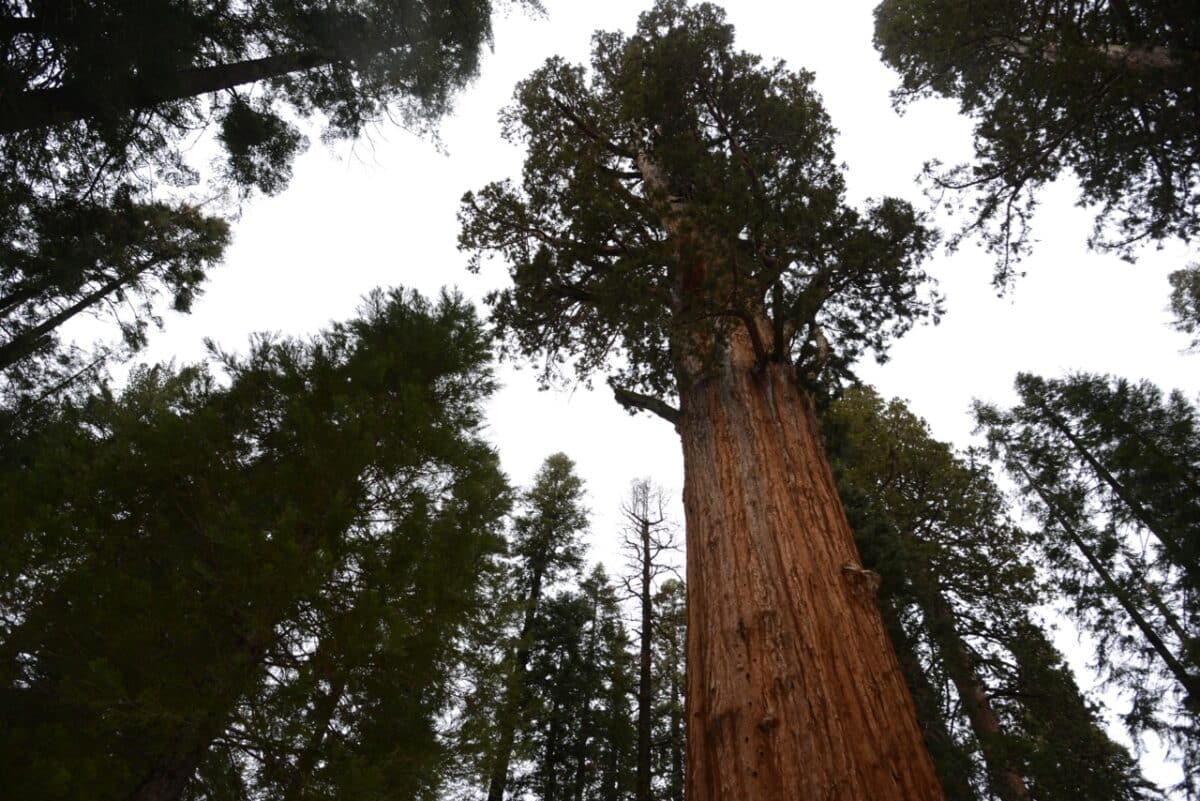
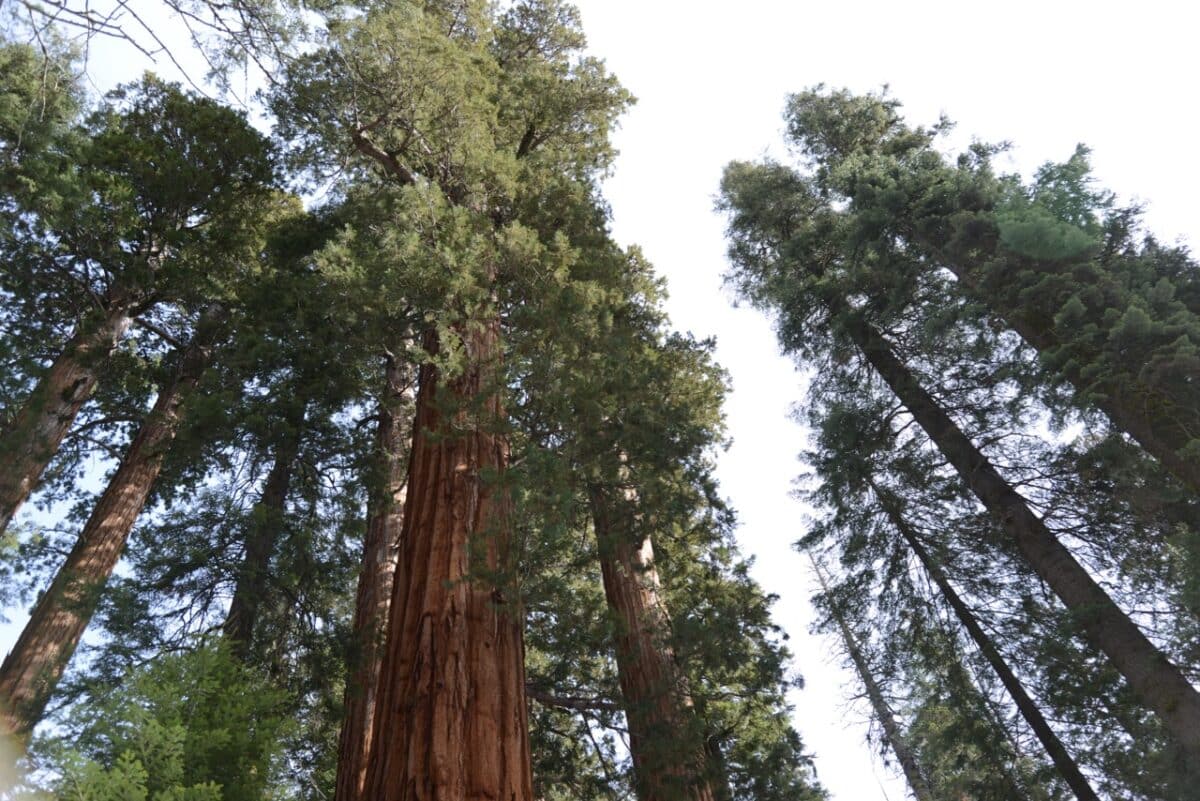
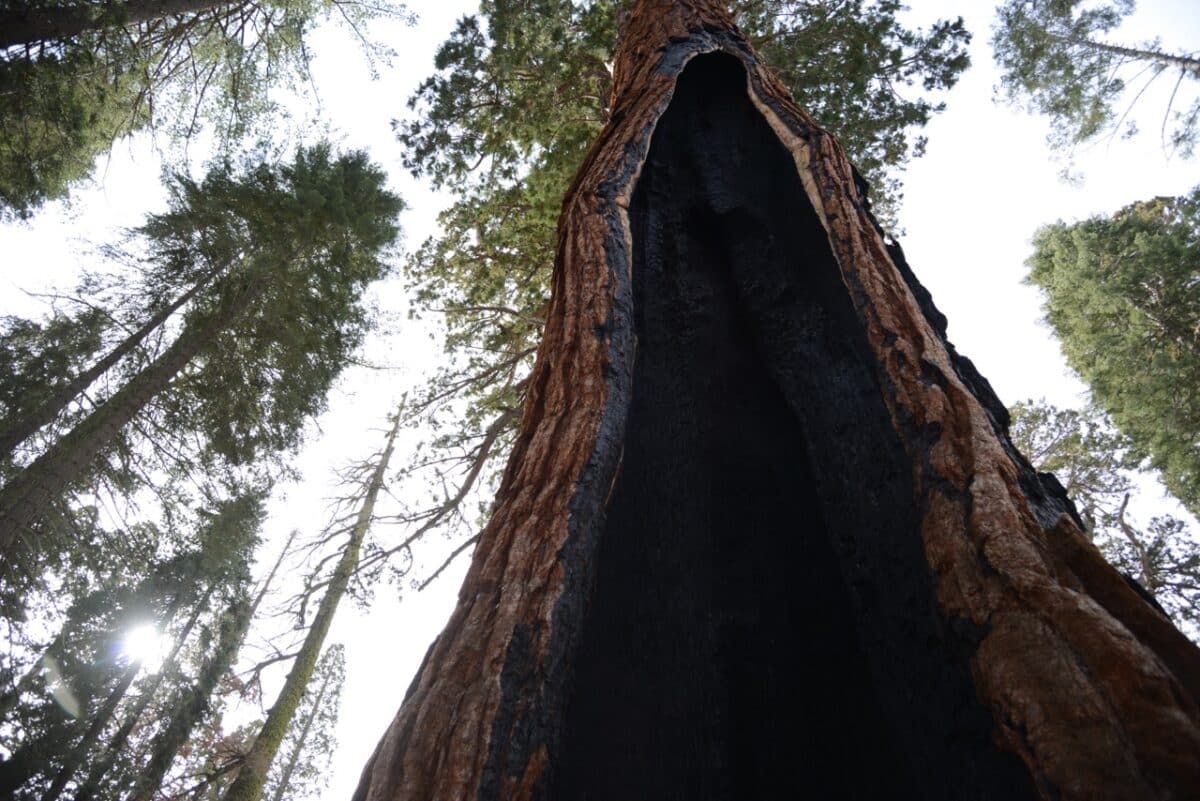
The coastal redwood trees at Muir Woods are among “the tallest of living things” in the world. With the capacity to reach heights taller than the Statue of Liberty, one might assume, like I would have, that the taller the tree, the deeper the root system. But that is not the case with redwoods.
Their root system extends only six to twelve feet deep, a remarkably shallow reach for something so grand in height. And one cannot help but wonder: how does something grow so tall, surviving hundreds of years of earthquakes, landslides, strong winds and floods, if it is only reaching into the soil depth a fraction of its height?
Where does the strength come from?
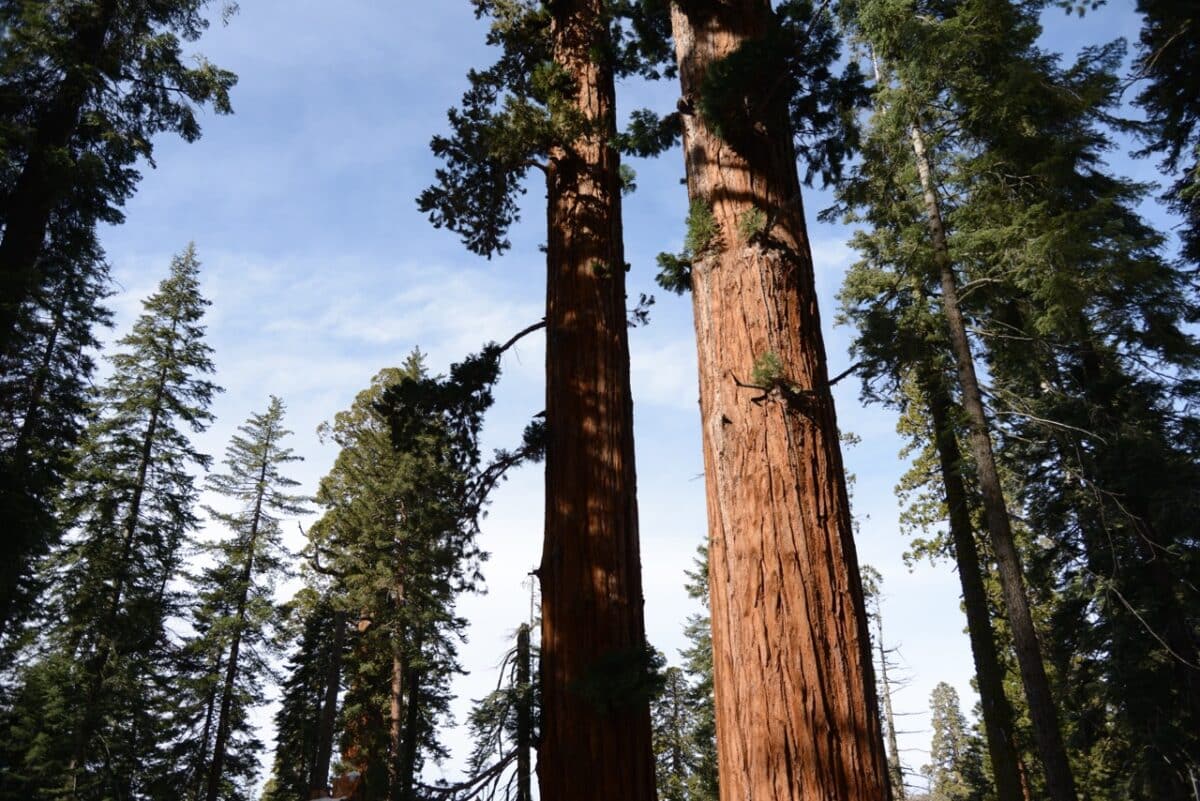

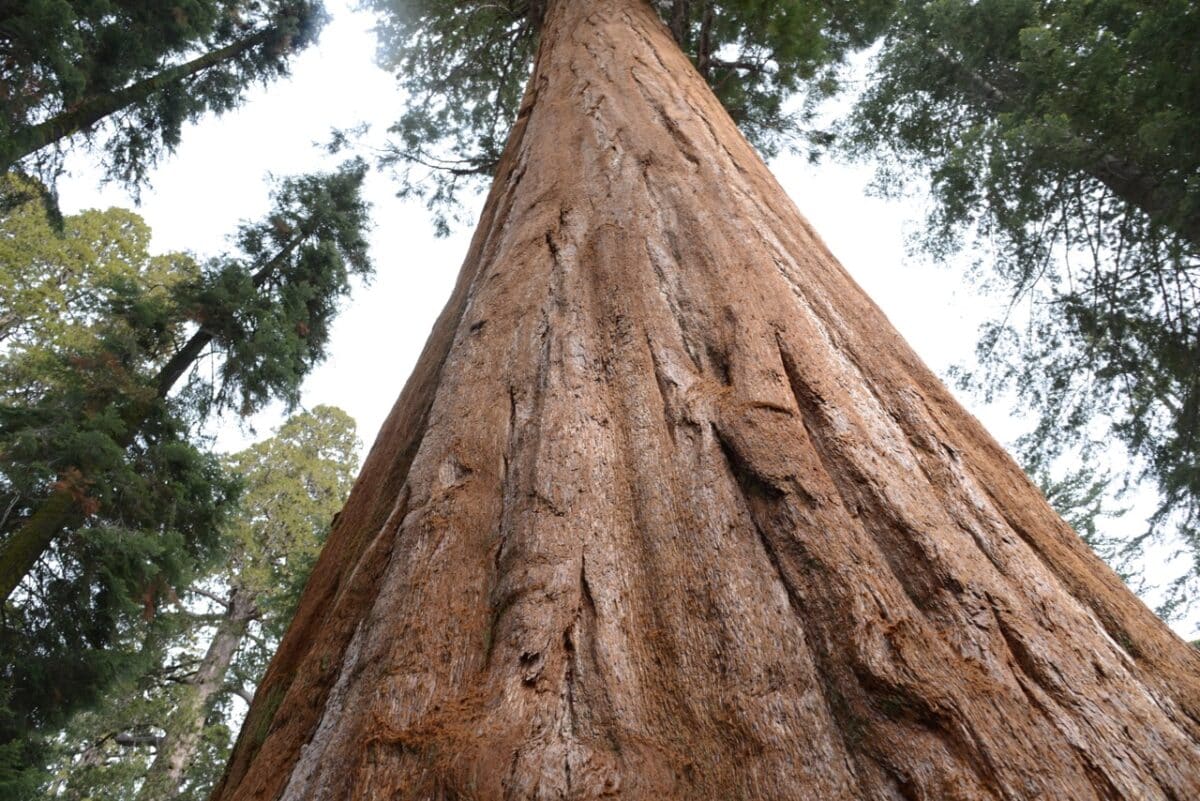


Redwood tree roots, while shallow, can spread as far as 60-80 feet wide. When they do, as they extend their roots like arms out to their side, they grab and intertwine and wrap around and hold closely to the tree’s roots right next to them. Then that tree grabs its neighbor’s, and the next one does, too. On and on and on it goes. Eventually one tree’s root reach becomes indecipherable from its neighbors.
“They’re all clinging to one another, their strength directly connected to the grip of their friends, all saying to one another, I got you.“
They’re all clinging to one another, their strength directly connected to the grip of their friends, all saying to one another, I got you. That’s where their strength comes from.
The heading at the top of the page caught my eye right away. The words “Childhood Resilience Scale” in big bold letters looked back at me. I felt what I can only call a flicker of curious expectation, then sat up and leaned forward with far more eagerness than I brought into this post-divorce, court-mandated class on “sharing the children.”
The questionnaire asked things like: “I believe my mother loved me when I was little,” or “When I felt bad, I could find someone I trust to talk to.” And I knew as I made my way through a series of similar questions, each of my children could answer, with no doubts, “yes.” Because here, in this painful season in the middle of a divorce, the root system underneath us, even if they couldn’t always see it, was strong and ready for the wind.
I had heard of the ACES (Adverse Childhood Experiences) scoring before my divorce, so none of that information came as a surprise to me. But I was not aware that there was a foil, another side of the coin. A scale of resilience that existed alongside a scale of scars. It’s not an antidote—nothing in this life could ever fully erase the reality of loss and pain that a child experiences. But underneath the circumstances a child will live through, there can still be a strong foundation of resilience; an invisible strength children can show in order to navigate the hard things they might see and know and have to come to terms with.
And resilience looks like a community of redwood trees, holding hands underneath the children and mother, allowing them to withstand the storm that blew through their lives.
Resilience is a tricky thing to talk about when you’ve got a lifetime of new expectations to live into, because no feeling is ever really final. And ultimately, I know that my children’s stories are their own. I cannot save my children from their own testimony.





I would never have wished divorced parents upon my kids. I do not want them to have a story of loss like this. But they do.
“But if we live in community—the kind of community bound by the model of selfless love and sacrifice we see in the gospel—our roots are ready“
And yet in that place of loss, I cannot deny the absolute grace of the people who stepped in to help fill the gap… [the] root system underneath them is a source of strength that is going to allow them to continue to grow even on the hardest, most disorienting days.
They have a church family who cares about them, friends who would drop anything to be next to them as they cry, people who will always make them feel safe. All of the things I naively thought I could do and be on my own for my children—their safety, the one to point them to Jesus in all things—it’s actually been a whole community of people doing that, carrying our burdens big and small, and loving us like Jesus.
Life will push and pull and wreak havoc on all of us at some point. But if we live in community—the kind of community bound by the model of selfless love and sacrifice we see in the gospel—our roots are ready.
The storms will come, but we’ve already wrapped our strength into the strength of so many others. And that, every single time, is how we’ll stand.
Belltower Stories
How do you live a story you never would have chosen? Ann Voskamp and Katie M. Kelley discuss Katie’s new book, Grace Will be There. Come join us in BellTower Stories, up in the 1896 bell tower our little Village Table church, as “the bells are the voice of the church, with tones that touch and search.” (Longfellow)
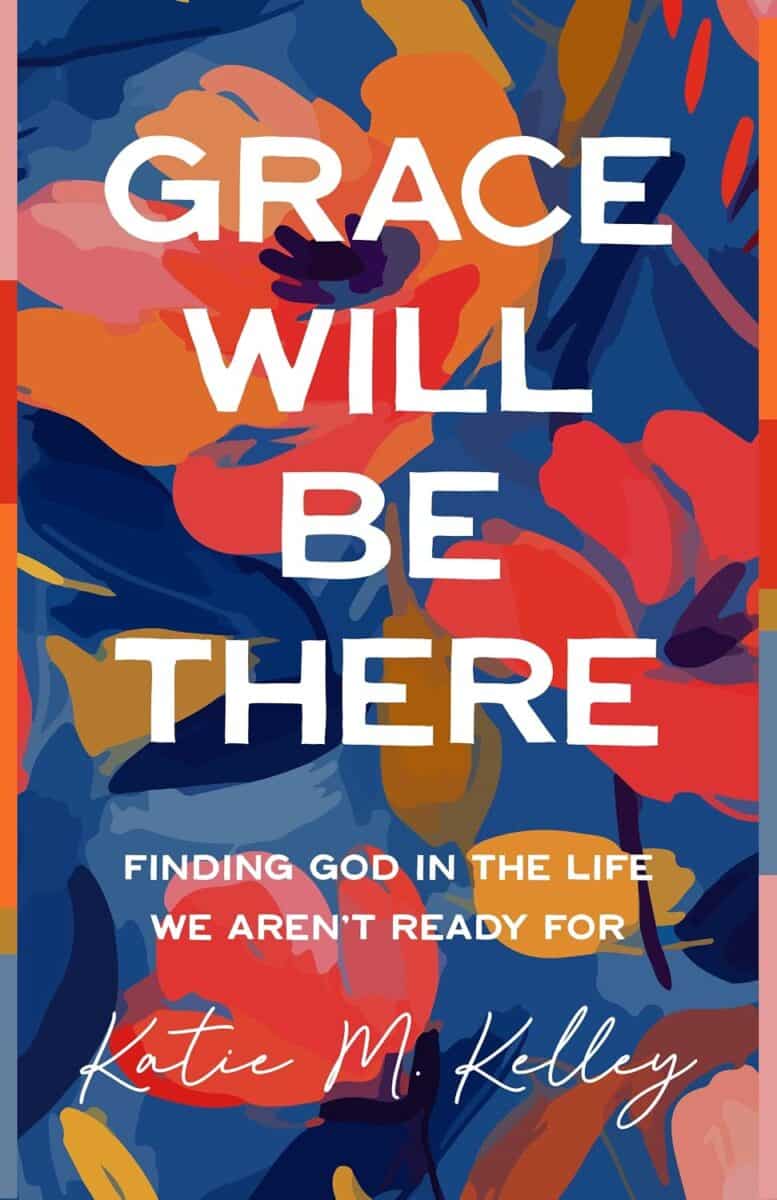
Katie believes one of God’s purposes for her life is to tell you what He has done for her… (Psalm 66:16). And because she believes in the power of story to be our greatest teacher, that’s what she has done in her new book Grace Will Be There: Finding God in the Life We Aren’t Ready For—she shares the stories that trace the threads of God’s unfailing and ever-present grace in the middle of a very unexpected life.
Grace Will Be There invites readers into the sacred space of “Me, too” without offering formulas for the hard things in life that no formula can solve. But with winsome writing and generous vulnerability, Katie invites readers to the peace that comes from knowing and trusting that God’s grace will always be there, because it always has been there. Connect with Katie on Substack or Instagram.
{Our humble thanks to Moody Publishers for their partnership in today’s devotional.}