I once stayed on the Emmaus Road. Walked it early in the cool of the morning.
I haven’t thought of those hot, sticky nights in a wobbly twin bed on the Emmaus Road at Yad Hashmona for years, till I opened my Bible this morning, to my next reading in the book of Luke, and there it was, in my scratchy, Bic-blue handwriting:
July 6th, 2018, on the Emmaus Road.
(Or maybe it’s because yesterday I slammed the van door shut on my own foot and I’m walking with a self-inflicted limp and every step is this hobbling tenderness, but –ha! — either which way, regardless.)
Eight years ago. Nearly to the day.
Sometimes the greatest mercy is that you don’t see the whole map.
The woman who wrote that margin note — July 6th, on the Emmaus Road — she didn’t know that she was in the Before Times, before so many Terrible Things, before the call and the coroner and the police report and everything that’s unraveled since, before the global pandemic, before stories I wanted to write myself out of and the pacing of sleepless nights and the roads I found myself on that felt like some awfully wrong rerouting. Sometimes you can wonder if you’ll limp for life.
Sometimes the gift is that you didn’t know then, what it would cost to become the person you are becoming now.
Sometimes the greatest mercy is that you don’t see the whole map.
SItting here with my Bible-margin handwriting from 8 years ago, have I become the stranger walking beside that woman back on the Emmaus Road, and she would recognize me now?
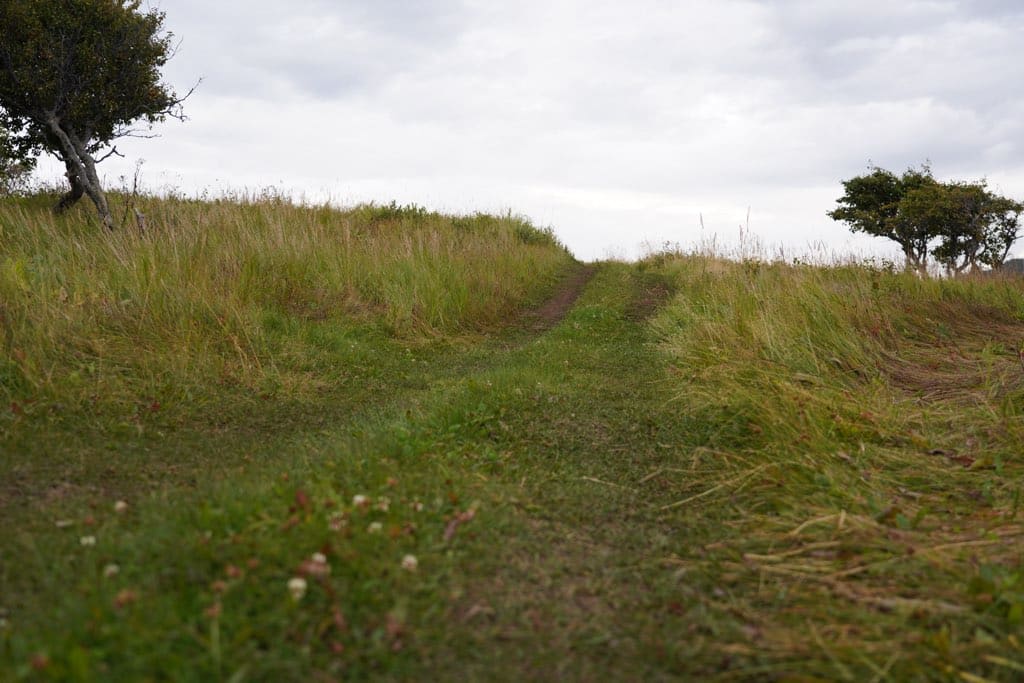





Two of those who knew Him are walking the road to Emmaus.
I read it then on the Scripture’s page, read it again now.
Luke who says that “the eyes of the two were held” (Luke 24:!6) — not they didn’t notice Jesus, not that they were distracted from Jesus — but their eyes were held. Were their eyes held by a story that they kept reading as hopeless, instead of beholding Hope Himself right there with them?
I had gotten up before dawn with the Farmer, that Sunday morning of July 6th, eight years ago, to walk the Emmaus Road in the cool of the day, before the beating sun came up over the Holy Land horizon: Sandals on. One step after the other. Down the Emmaus Road, across a ridge of the Judean hills, and straight across the harsh terrain of the last several hobbling, wearying years.
Every hard road you have ever known has been an Emmaus road.
And that’s what I had inky-scrawled in the margin there on the Emmaus Road, nearly 8 years ago to the day:
You may not know where your road goes, but you’ve always only been on an Emmaus Road.
I cannot read those words, now, after everything, and not feel something in my chest:
Every hard road I have ever known has been an Emmaus road.
Every hard road is actually an Emmaus Road and Jesus is right there, recognized or not, walking alongside you, asking: “What has happpened?” (Lk. 24:19)
You’d hoped. And hoping can hurt.
“But we hoped…” (Luke 24:21) is what those disillusioned disciples say on the road.
You’d hoped God would do one thing, or He’d do at least something — just not this thing.
Every disciple is marked by disorientation.
Why did my story and road have to turn like this?
When you’d hoped, and can’t make sense of what’s happened, Jesus makes His presence a space to hold all of what’s happened.
“There is only One wound that reads all wounds rightly — the wounds of Christ. “
And Jesus draws nearer and gently names our wounds — and identifies our deepest wounds as an interpretive wound.
Maybe only now, 8 years later and how many painful roads, can I see it at all: Wounds are not only what happenx in our story, but are a kind of lens through which we see our story, and every other story that happens. Every wound demands to be an interpreter of your story, of your road. You can have all the right information, but without the right interpretation, you don’t have any real illumination.
And the very deepest wounds in our stories happen when we interpret our wounds very wrongly.
There is only One wound that reads all wounds rightly — the wounds of Christ.


Not once does Jesus rationalize their suffering, not once does Jesus rush them past their suffering —- instead Jesus re-narrates their suffering, by reading their shattered story through His suffering-onto-glory story.
When Jesus turns to the disoriented disciples and says, “Was it not necessary that Christ should suffer…and He interpreted to them in all the Scriptures the things concerning Himself”— He’s doing more than revealing the meaning of His suffering: He’s reorienting all of our suffering through His suffering.
As Christ’s suffering was the road to His glory, so when we suffer with Christ, we will ultimately know glory in Christ (Ro. 8:17).
Co-suffering. Co-glorified.
Not once does Jesus rationalize their suffering, not once does Jesus rush them past their suffering —- instead Jesus re-narrates their suffering, by reading their shattered story through His suffering-onto-glory story.
Jesus’ re-narration of our suffering refuses two false stories and points to the reality of the third:
Refuse the despair that just because Jesus’ story and the road you’re on isn’t what you imagined, that hope has failed.
Refuse the sentimentality that just because Jesus is with you on the road, and in your story, that this suffering isn’t hard.
Recognize the third way of the Emmaus Road: Because Jesus suffered and conquered, our suffering is no longer ultimate.
Hadn’t the disciples wrongly interpreted the story:
Jesus would come to redeem, but instead He suffered, so therefore all has failed.
“Your suffering can’t ever be a right interpreter of your story. Because your suffering is but a text of your story — which can only be rightly interpreted by the Wounded Word Himself. “
And Jesus doesn’t draw near to merely comfort them in this old narrative, Jesus gives them a new narrative that’s reinterpretive of every story:
Jesus would come to redeem, and He would have to suffer, so therefore all has not failed, but is being fulfilled.
Which re-interprets the world, and your world:
Your suffering is not a story gone wrong, but where your story is gathered into His. Not because your suffering saves you — only Christ’s suffering does that — but because no suffering surrendered to Christ is left outside of His story of conquering, redeeming love.
I wonder if I’m only beginning now, after all these miles down roads I wouldn’t have chosen:
Your suffering can’t ever be a right interpreter of your story. Because your suffering is but a text of your story, which can only be rightly interpreted by the Wounded Word Himself.
The ultimate interpreter of your life isn’t your suffering — but the Wounded Word Himself… who is re-narrating it all into a glory story.





“The pain of my story doesn’t change. The possessive does. Jesus calls all the suffering His.“
I sit there long, Word open there in my hands, in early July, now 8 years later, limping and scarred… and maybe finally, just a bit — seeing.
The film of my life, and the last several years re-plays in my mind, and I can see the scenes all over again, feel those moments that re-routed everything —- and I can hear His voiceover.
The Stranger on the road to Emmaus making sense of my wounds through His.
When I linger long enough to hear the Wounded Word tell my story through His Wounds —- I hear it rightly for the first time…
Every hard road you’ve ever known is an Emmaus Road…. Where you feel absence, is still filled with His presence. Where you feel abandonment, is still a place of accompaniment. Where you feel hopeless, is still a place that is not Christless.
He does not tell me the why of the suffering…
He tells me whose the suffering is… .
The pain of my story doesn’t change. The possessive does. Jesus calls all the suffering His.
The reality of our road may not change, but the meaning of our road definitely can.
July 6th… July 9th … July 11th… and every single day of every single year, whether you recognize it or not:
Every hard road you’ve ever known is an Emmaus Road:
Where you feel absence, is still filled with His presence.
Where you feel abandonment, is still a place of accompaniment.
Where you feel hopeless, is still a place that is not Christless.
And where you feel suffering, Jesus calls it all His.
Were not our hearts burning within us?
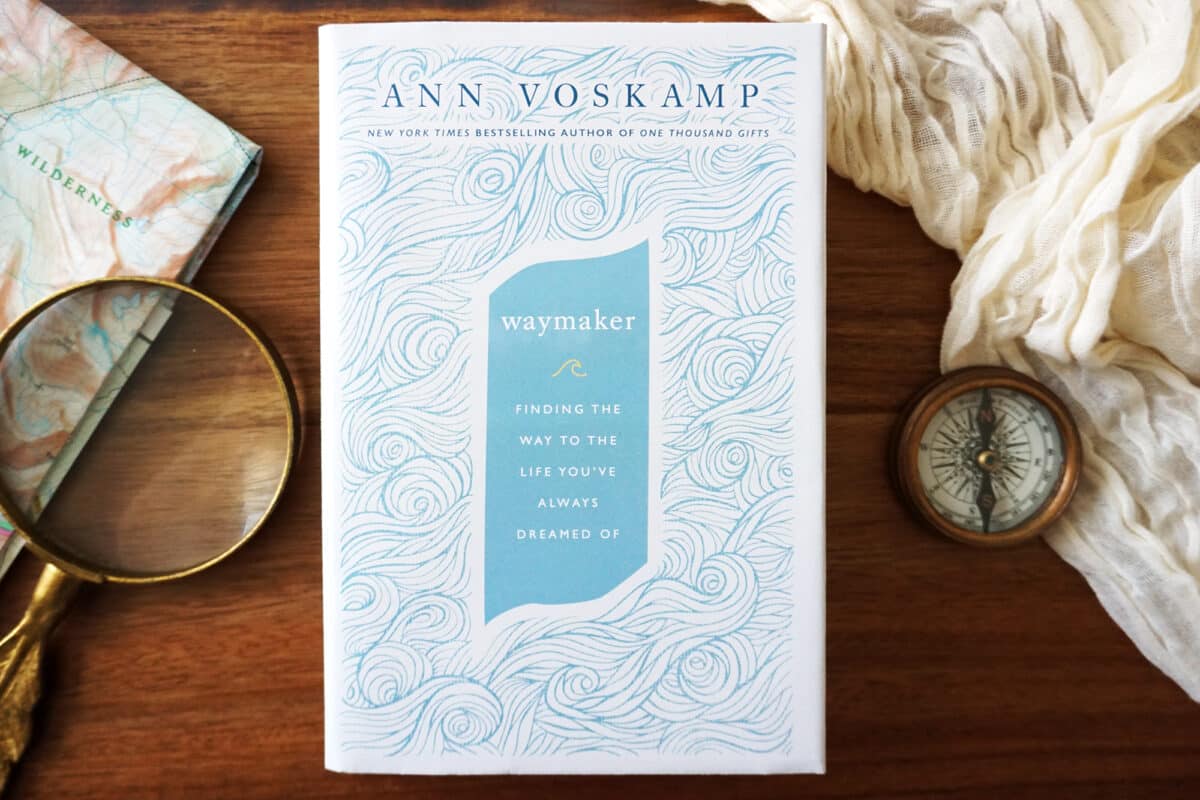
How do you keep hoping for a way through?
How do you lean into the life you’ve always dreamed of — by leaning into Him and trust that it’s not too late for your life to really change and be made into a masterpiece of art?
What does it powerfully look like to have a new way seeing when everything feels really dark and impossible, … a new way of being that rests fully in the unwavering, unshakeable, hesed-lovingkind ways of God — especially now?