I don’t know how many times I have thought about him this week, a farmer I met with beat-up hands, about 9 miles southwest of Bethlehem.
He asks me what I do.
I tell him I’m a farmer’s wife, daughter of a farmer, grand-daughter of a farmer — yeah, farmers are about the only thing our family tree has ever known.
(Well, that, and a whole mess of ridiculously crazy kids — and maybe, we pray, maybe some fruit. We are praying that somewhere along the line, yeah — that there might just be a bit of actual, edible fruit.)
To get to the guy’s field, I have to push through this herd of goats straggling down the road.


While I’m pushing through goats outside of Bethlehem, there’s clashes in Jerusalem and suicide bombers ripping through the rib cages of children in Iraq. Who knew what would be happening in Syria a year later, in a refugee crisis of epic, heartbreaking proportions , the fracture lines that would split far closer to home?
Right there at the gate to his farm, Farmer Daoud has this rock, like an anchor, like it’s his own ballast in the midst of one polarized, contentious world.
The rock, sunning bare-faced and unashamed, feels warm under my hand.
“We refuse to be enemies.”
That’s what the words etched into the rock say:
We refuse to be enemies.
At the end of the lane, all the goats separate from the road and turn to the left.
God only knows where the rest of us stragglers are veering?
I stand there for longer than a moment.
Moved. Convicted. Stilled.


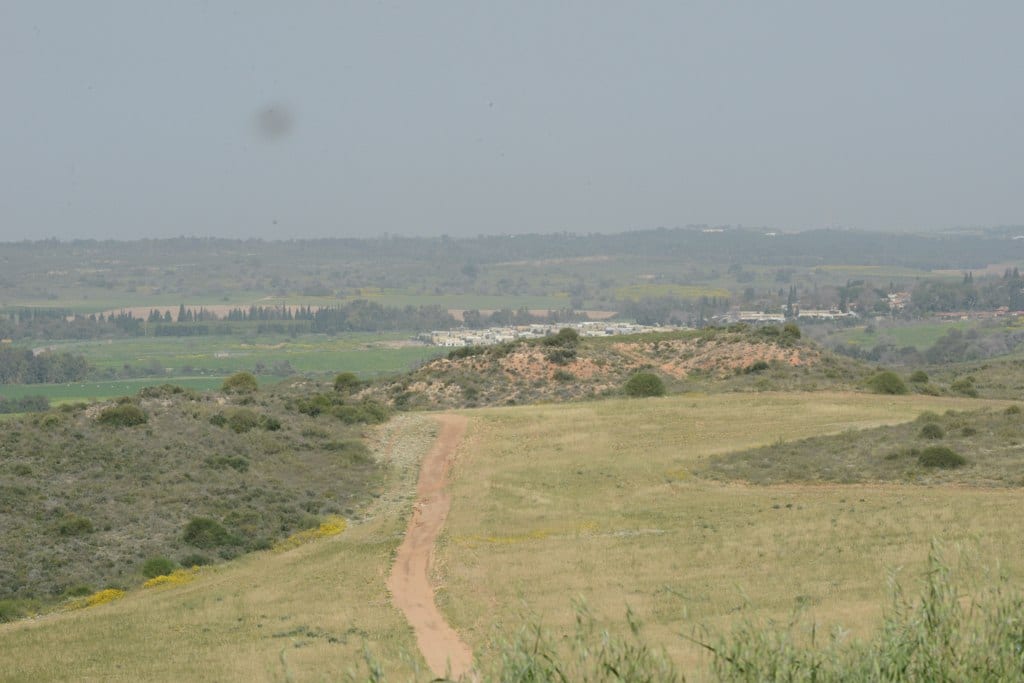
When Farmer Daoud, right outside of Bethlehem, kneels down in the dirt and digs in trees, fruit trees, right ahead of us, to replace the hundreds of his apple trees that were cut down and buried in the dark by the nameless —
I’m standing there wondering: Does he try to imagine their faces?
Does he try to imagine himself growing in grace?
“How do you grow in grace in the face of those who grow in resentment toward you?“
How do you grow in grace in the face of those who grow in resentment toward you?
That’s not some sweet little rhetorical question you pluck off some easy, low hanging branch either.
Turns out maybe you get down on your knees with a Lutheran Palestinian Christian farmer, just a few miles south of Bethlehem, a few miles from where God pulled on some thin skin and birthed Himself into a very specific place on this bruised planet, and maybe you get some real dirt under your filed fingernails.
Maybe you just linger a moment and wrestle with the grittiness of being alive in a broken world that explodes in all kinds of ways, that has cold wars of its own around our own family dinner tables, and yeah —
Am I desperate to bear some real fruit, instead of bearing the grief of being some cheap masquerader in the Upside Down Kingdom of God?
Farmer Daoud moves his hands quietly when he talks, like he can cut through the air, cut through the all the flung dung without any drama and get right down to it. His voice is low and gentle and slow.
“Am I desperate to bear some real fruit, instead of bearing the grief of being some cheap masquerader in the Upside Down Kingdom of God?“
His fruit trees have been cut down — by somebody in the middle of the night.
His water has been cut off– by who knows who?
His electricity has been shut off — he thinks he knows who knows.
Farmer Daoud has deeds, all the deeds, to his land. What if the deeds of everyone else around you don’t care a thing about your deeds?
“All we want is to just stay on our land,” Farmer Daoud says.
“We come from a long line of Christians, Lutherans — and my Grandfather didn’t want to just live in the village and work the land, like all his neighbours. He wanted to be on the land, he wanted to live out on the land, he wanted to raise his children out on the land — so he came out here and lived on the caves in these fields, so his children would be grow up close to the land, the land always under their feet.”
And I nod real slow — I can hear the man reverberating in the spaces between the marrow of my bones.
Farmers get farmers in a peculiar kind of way: They get what land means, because dirt is that which we come from and that which we will return, and that which feeds us in between. We’re all dust and we grow out of this earth’s dust and we’re connected to the earth like it’s a kind of kin.
Grounded people care deeply about the ground — because they are rooted from that which they came and all that will end up being and they know who they are.
The word humility comes from humus, comes from the earth that lies underneath us.
It’s only when you know you come from humble dirt like everyone else, that you can bear any honest fruit.


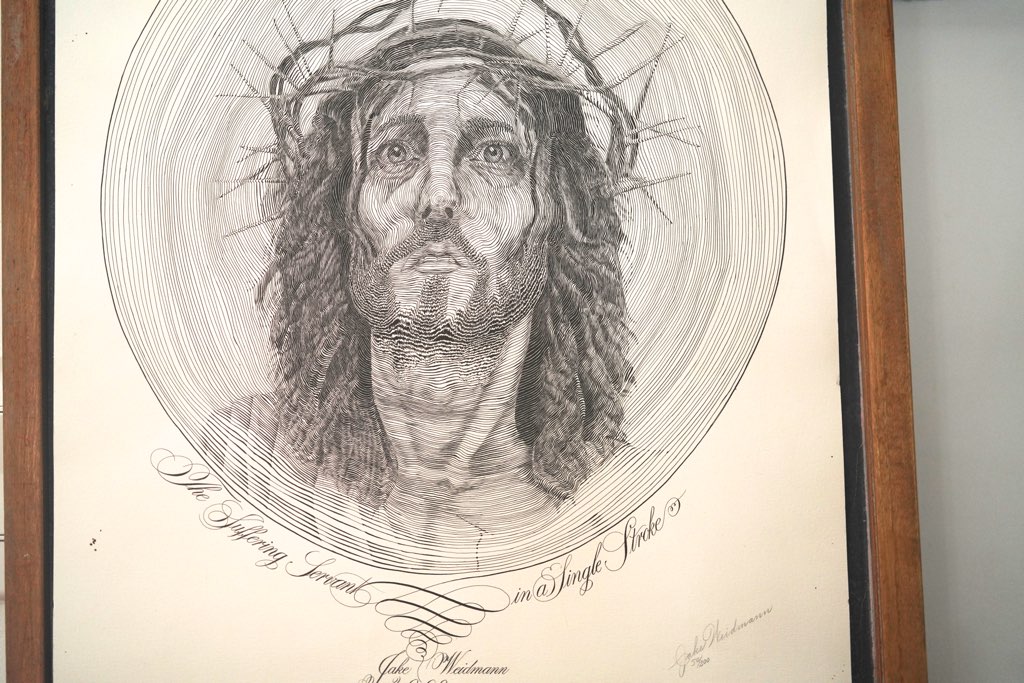

When Farmer Daoud tells me that they don’t ever want to leave their land, I catch his eye and hold it steady with what I know in my bones, what you sorta know once you’ve turned over and tilled a bit of earth and it’s got in under your fingernails, when it’s gotten in to you—
My dad always said, “There’s a lot I may love — but my land….my land.” My dad always said that selling away your land is like selling away your soul.
“You understand?” Farmer Daoud asks. “We cannot leave our land… and we cannot be enemies.”
“The only thing that can overcome evil is good. Returning evil with evil — just overcomes us.“
Our eyes don’t leave each other — we all belong to each other and to this same dirt under all our feet — and what happens next rips through my rib cage like the force of God.
The light catches his eye and his life grows into this blazing grace:
The only thing that can overcome evil is good. Returning evil with evil — just overcomes us.
That’s all we’ve got here:
Being enemies is not an option.
Being human beings, who belong to each other, is the only option.
And it doesn’t make one iota of difference if you’re living in the middle of war zones or some battle zone in your own church, community, kid or marriage — or if you’re fighting a battle inside yourself:
You can either ruminate like a beast over the injustice of it all, till you feel some literal heartburn and the scorch of the whole thing searing off real layers of your soul — or you can plow the pain into purpose.
Farmer Daoud had grabbed that plow: “We take all our frustrations over injustices and we drill them into soil to grow incredible possibilities.”
Yeah…. that.
“Don’t pick a side. Pick a person — the Person of Jesus. And always go pick His ways“
I’d written it on a sticky note and stuck it on a mirror, like I could glue it to the limbs of me, to bear some kind of fruit: Channel any and all negativity into creativity.
And looking into the face of Farmer Daoud, a brother in Christ, a few miles outside of Bethlehem, I’m struck by what the testimony of his life hands all this fractured world, this startling wisdom for our every messy dispute and difference, and this is the epiphany I keep coming back to as a compass through everything.
Don’t pick a side. Pick a person — the Person of Jesus. And always go pick His ways.
Where there’s conflict — we don’t have to condemn the other, we don’t have to curse the future, we don’t have to circumvent the circumstances.
Where there’s conflict, there’s an opportunity — to practice being like Christ.


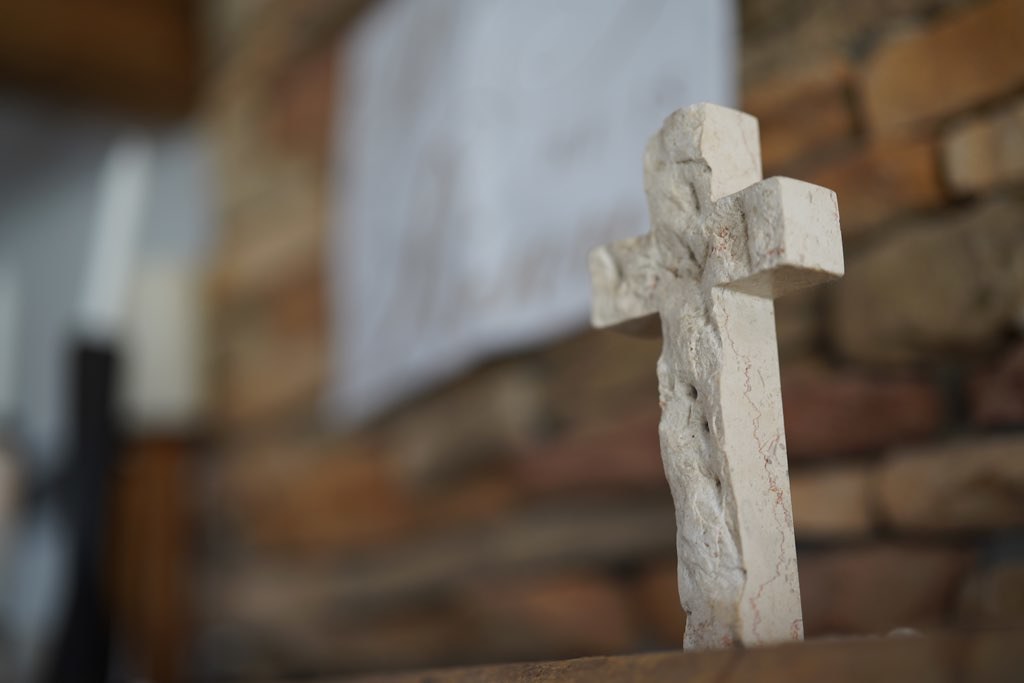

It’s striking: Jesus walked this same land of Farmer Daoud. And Jesus turned and He had cursed a fruit tree — because it was nothing but a non-fruit producing fraud.
I’d scrawled that across my journal with a dying, splotchy pen, and I don’t know how many times I’ve returned to the words:
“Are our lives bearing the cost to bear real fruit — or how are we duct-taping on fruit and living cheap, fake grace that costs us nothing?“
Are our lives bearing the cost to bear real fruit — or how are we duct-taping on fruit and living cheap, fake grace that costs us nothing?
I’d sat with that at Farmer Daoud’s, amongst his fruit trees destroyed by someone in the middle of the night.
Hadn’t Jesus said: “I’m telling you to love your enemies. Let them bring out the best in you, not the worst.” (Matt. 5:43)
Let your enemies not bring out the worst in you — but the best in you, the fruit in you.
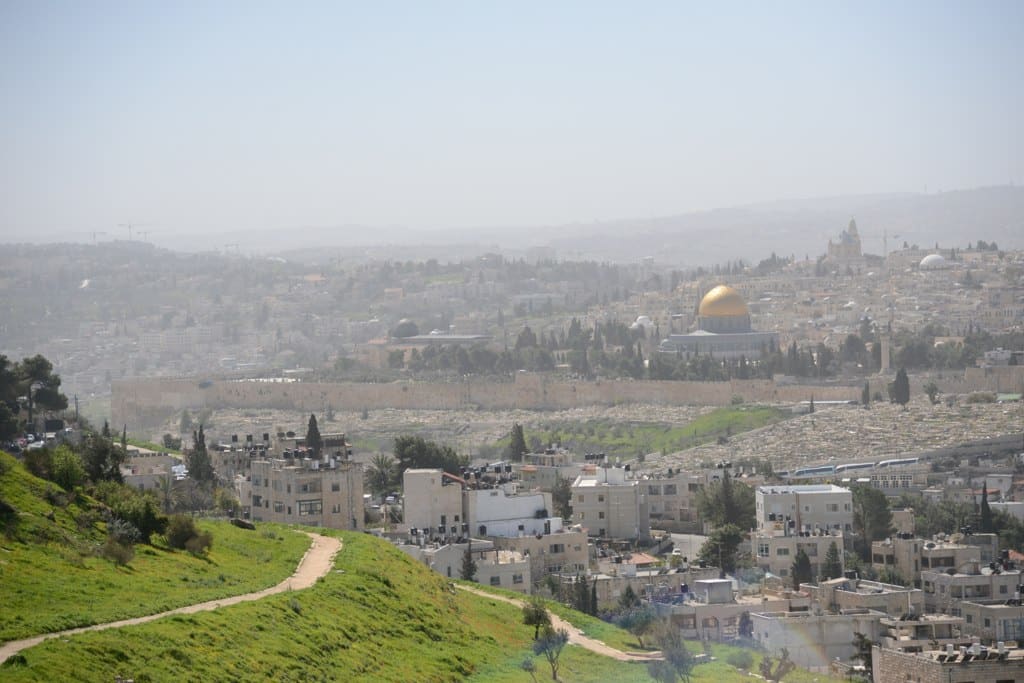
When the sun set over the fields of Farmer Daoud’s fruit trees, you could see Jerusalem where Jesus had walked through the crowds that were against Him.
And you could hear the goats still somewhere, far off to the west.
Is the only way to refuse to be the goats is refuse to be enemies?
Far off the end of the edge of the fields, where the land touches the sky, the sun burns like an orb of hope.
WayMaker: Finding the Way to the Life You’ve Always Dreamed Of
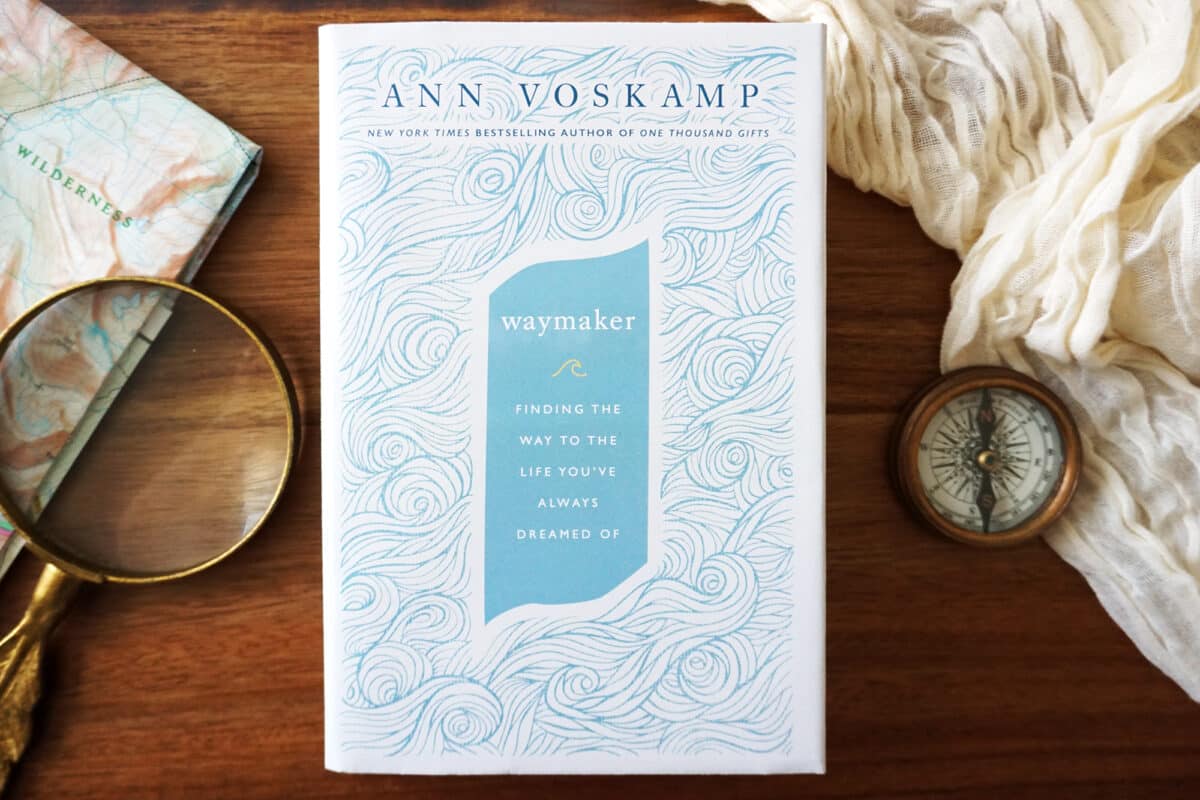
How do you find real belonging?
How do you find yourself loved beyond imaginging? How do you navigate losses and find the way through painful parts of your story …. and lean into the life you’ve always dreamed of — and trust that it’s not too late for your life to be made into a masterpiece of art?
What does it powerfully look like to have a new way of life, a new way of being that rests fully in the unwavering, unshakeable, hesed-lovingkind ways of God — especially now?