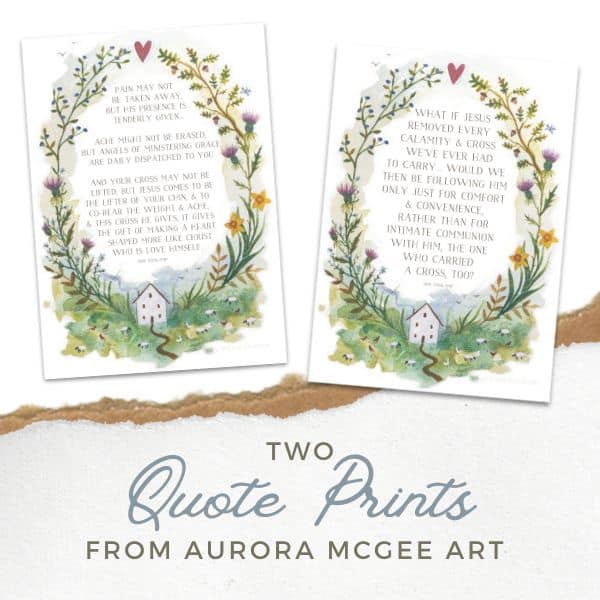
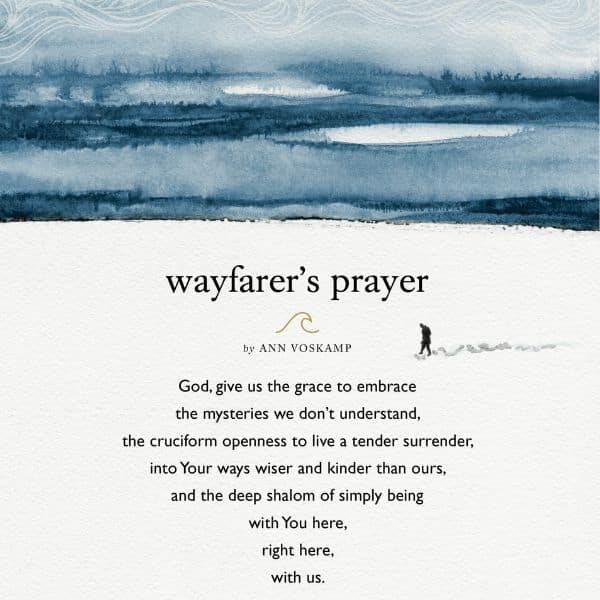
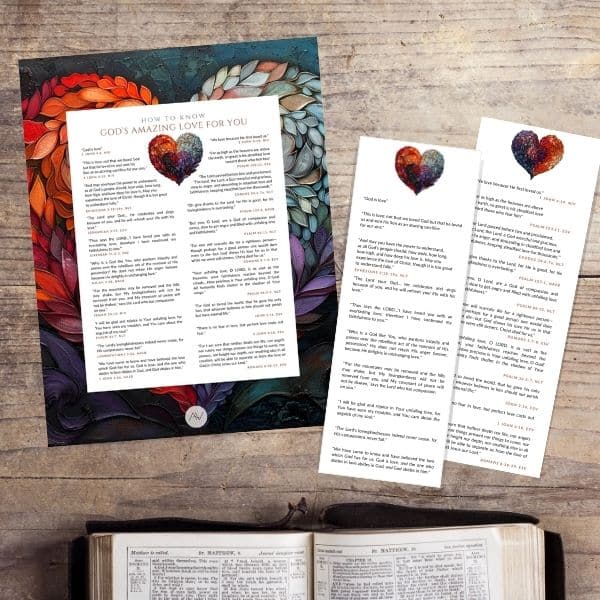
There are some conversations you don’t realize your soul has been aching to have until someone finally dares to say the quiet parts out loud. That’s why Tim Ross’s voice feels like a breath of fresh, honest air. He doesn’t rush past the hard places. He walks straight into them with courage, with clarity, and a deep, abiding belief that God meets us right there. Friend, if you’ve ever wrestled with what it means to be real and still be faithful, this will feel like someone finally sitting beside you and saying, “You’re not alone.” It’s a joy to welcome Tim to the farm’s table today…
Guest Post by Tim Ross
Even when I know how important it is to break the silence to give our soul words— there are still moments when vulnerability feels terrifying.
There’s risk involved in being open.
Sharing what’s real can expose old wounds, shake relationships, and leave you wondering who can I trust.


There have been seasons when I wanted to open to a believer, but I couldn’t stomach the idea of being hit with a Bible verse I already knew or a reminder to “just trust God.”
It wasn’t that I didn’t trust Him. I did. I still do.
It was just that life was punching me in the face at the time. Rent was due. Gas was up. Groceries weren’t cheap. And my salary? Just enough to survive, not enough to breathe.
And then there were the times I thought about going to a friend who wasn’t a believer. Someone I grew up with. Someone I knew not because I thought they’d throw it in my face, but because I wasn’t sure they knew how to hold the tension. The tension of seeing me struggle and still believing my faith was real. The tension of hearing my pain without using it as evidence that God had failed me. I didn’t want to become another example of why they walked away from the church.
So, I found myself caught between two doors, both risky. I wanted to talk to someone— I needed to— but I couldn’t figure out who could hold my pain without misusing it.
Maybe you’ve been there.
“…when we put words to that hurt, it breaks the cycle of internalized negativity, creating space for joy to return.“
Maybe you finally opened up to someone. Told a friend about your struggles. Only to walk away from that conversation feeling worse. Maybe they broke your trust. Or tried fixing you instead of listening to you. Or acted weird around you afterward, like your truth made them uncomfortable. I see your fear. I get it.
l’ve been there. I’ve put myself out there before— publicly and privately— and I’ve been betrayed. I’ve felt the sting of opening up only to be mishandled or misunderstood. And after that happens, something inside says, “never again.”
But here’s the thing: That voice is trying to protect you, not heal you. And protection without healing leads to isolation.
Vulnerability is kind of my default setting now— but it didn’t start that way.
It’s a practice I chose and keep choosing, even after pain. Because I’ve learned that while some people can’t hold what I carry, others can— and do. The risk is still real. But the reward is life- changing.
Psalm 39:2 says, “I was mute with silence, I held my peace even from good; and my sorrow was stirred up.” When I stop talking about the bad, I slowly stop talking about the good too. And what’s left is bitterness. Cynicism. Numbness.
Bitterness isn’t a character flaw— it’s unprocessed pain.
Think about it: When someone gives you five compliments and one critique, what do you obsess over? Exactly. Our brains are wired for survival, and negativity sticks. That’s why unspoken pain festers. Bitterness isn’t a character flaw— it’s unprocessed pain. And unprocessed pain can make us feel stuck in the negative.
That’s what happens when people never deal with the pain they refuse to talk about. They stop celebrating. They can’t see the light anymore. But when we put words to that hurt, it breaks the cycle of internalized negativity, creating space for joy to return.
Imagine a community where someone could say, “I’m not okay today. God is good, but I’m not.” And the response wasn’t a spiritual lecture but compassion. “Thank you for sharing that. I’ll be praying for you.
“Yeah, I lost my job. It’s been hard providing for my family.”
“I can identify with what you’re going through. I’m here.”
That’s it. No fixing. No forcing. No fake smiles. Just presence.
That’s what I dream about. That’s what I’m trying to live.
I believe that God is calling us to build a new kind of church. A new culture within His church where emotional honesty is spiritual maturity. Where faith isn’t measured by how well you hide your pain but by how safely you bring it to the light.


What if we reminded people that God is not only present on our best days but especially close on our worst?
That Jesus Himself said that “in this life we will have trouble,” and He meant it (John 16:33). That the heroes of the faith in Hebrews 11 weren’t all parting seas and shutting lions’ mouths— some were sawed in two, wandered in deserts, and never received the promises in this lifetime.
Faith isn’t just about the outcome— it’s about the offering.
And yet God called them faithful.
Both kinds of stories were included. Both were commended. Because faith isn’t just about the outcome— it’s about the offering.
Sometimes the holiest thing I can do is feel the ugly, let the tears fall, and then walk forward in honesty.
Because vulnerability isn’t weakness.
It’s sacred.
It’s courageous.
It’s a superpower.
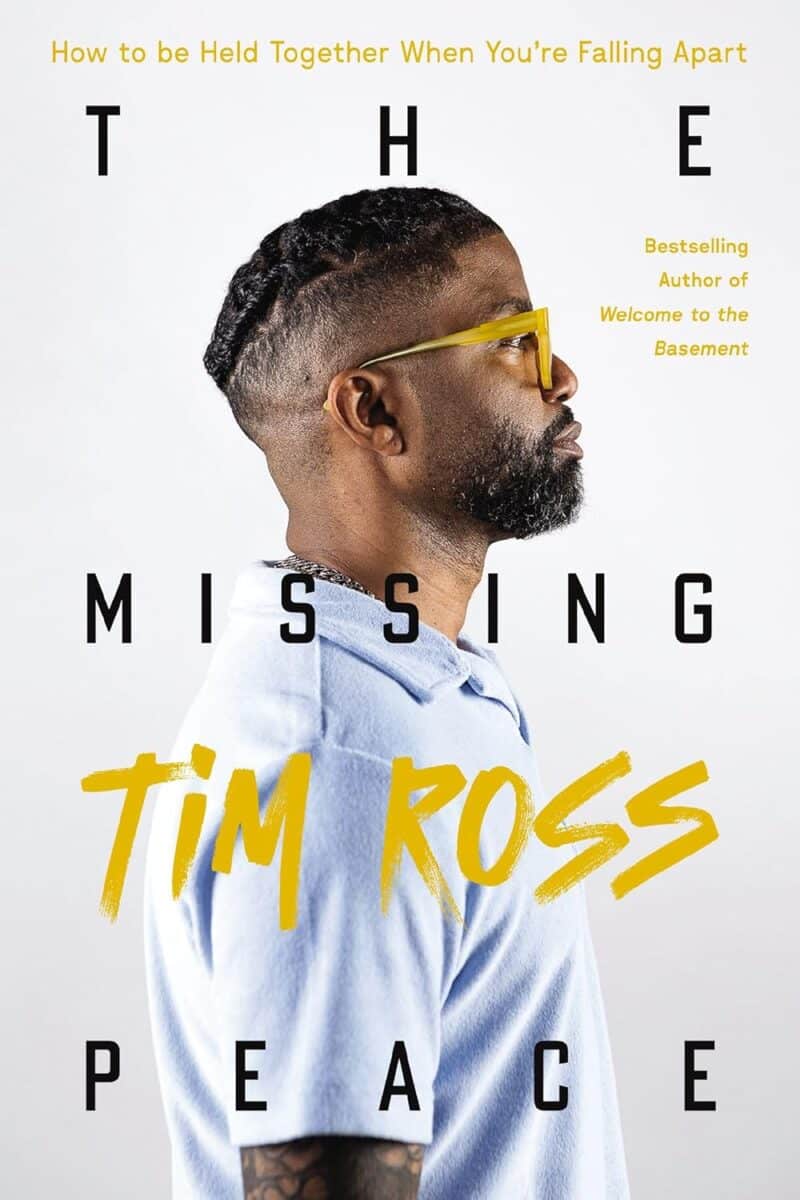
Tim Ross is a host of the popular podcasts The Basement, speaker, and truth-teller who has a rare gift for naming what many of us feel but struggle to articulate.
In The Missing Peace, he invites readers into a deeper, more honest faith one that doesn’t bypass pain, but walks through it with God.
Friend, don’t just skim past this message—sit with it.
And if your heart is whispering, “I need this,”—that’s your invitation.
{Our humble thanks to Thomas Nelson for their partnership in today’s devotional.}