I am drawn towards Tori Hope Petersen‘s voice because while she does advocacy work at a national level, she cares deeply about being a good neighbor locally, and I’ve been thinking much about hospitality and what it means to live as a neighbor known to love large and serve with joy in the small. And Tori holds the spatula and soup spoon with the same fervor and joy. She is a young woman who cares deeply bout hospitality and community, as she speaks with nuance and grace; and I hope someday I get to sit at her kitchen table, split a cookie with her, hold her hand, and say, “Wasn’t Jesus worthy of loving all like this?” It’s a joy to welcome Tori to the farm’s table today…
Guest Post by Tori Hope Petersen
Maybe when you think of hospitality, you think of beautiful tablescapes, the special plates being brought out, and dressing up. Maybe when you think of ministry and being on mission you think of flying across the world to another continent to serve people in poverty. Or maybe you imagine a preacher with a microphone, on a stage, teaching the Bible.
“Ordinary love, anonymous and unnoticed as it is, is the substance of peace on earth, the currency of God’s grace in our daily life.” ~THW
I find all of that inspiring in its own right, but Tonya’s life has been the most inspirational to me. Tonya’s life is what I’ve found most compelling and called to imitate.
As a teenager in the foster-care system, I met Tonya as a seventh grader in youth group. She would come and pick me up from my trailer, and after she picked me up, she would go from house to house where girls from hard places would pile into the car. She’s then take us to her home before she took us to church, and when situations got really bad in my own home — dangerous, unsafe, or abusive — Tonya would pick me and my sister up and bring us the safety of her own home.
Tonya taught me that we all have the ability to do ministry through hospitality.
We can each offer our home and person as a safe house to those who need it.
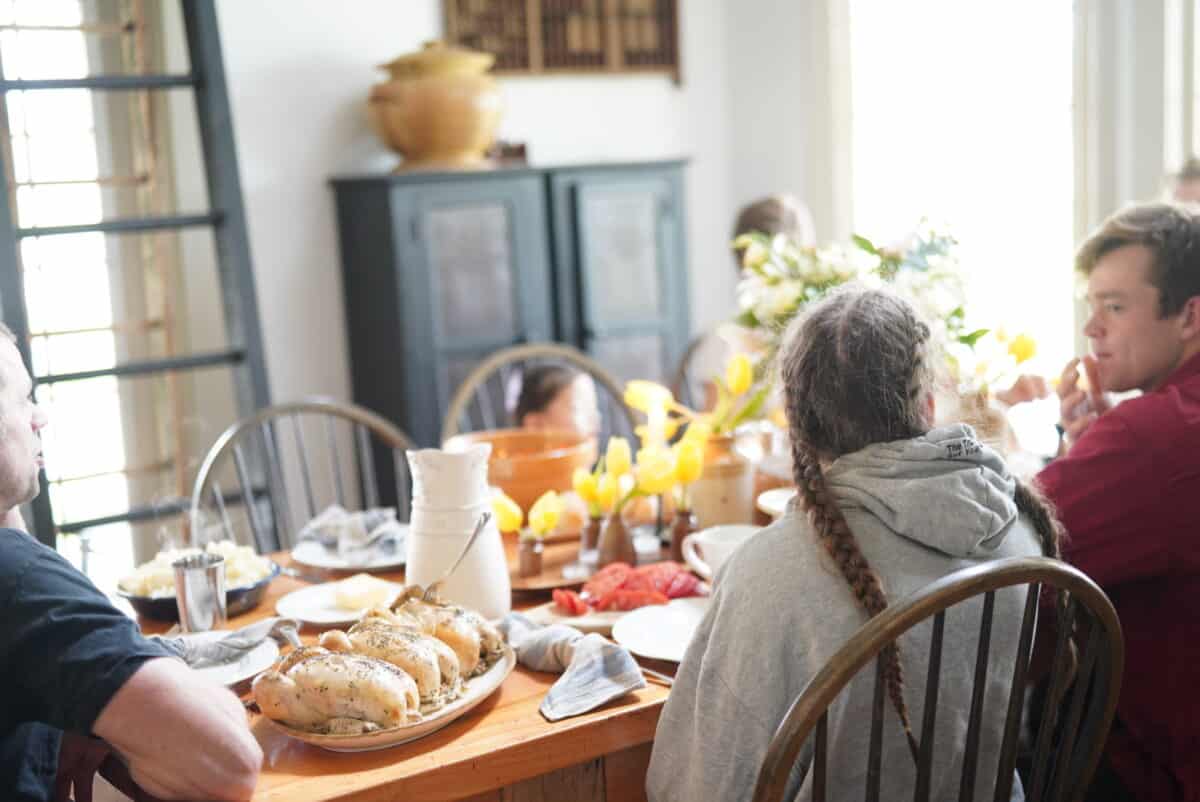





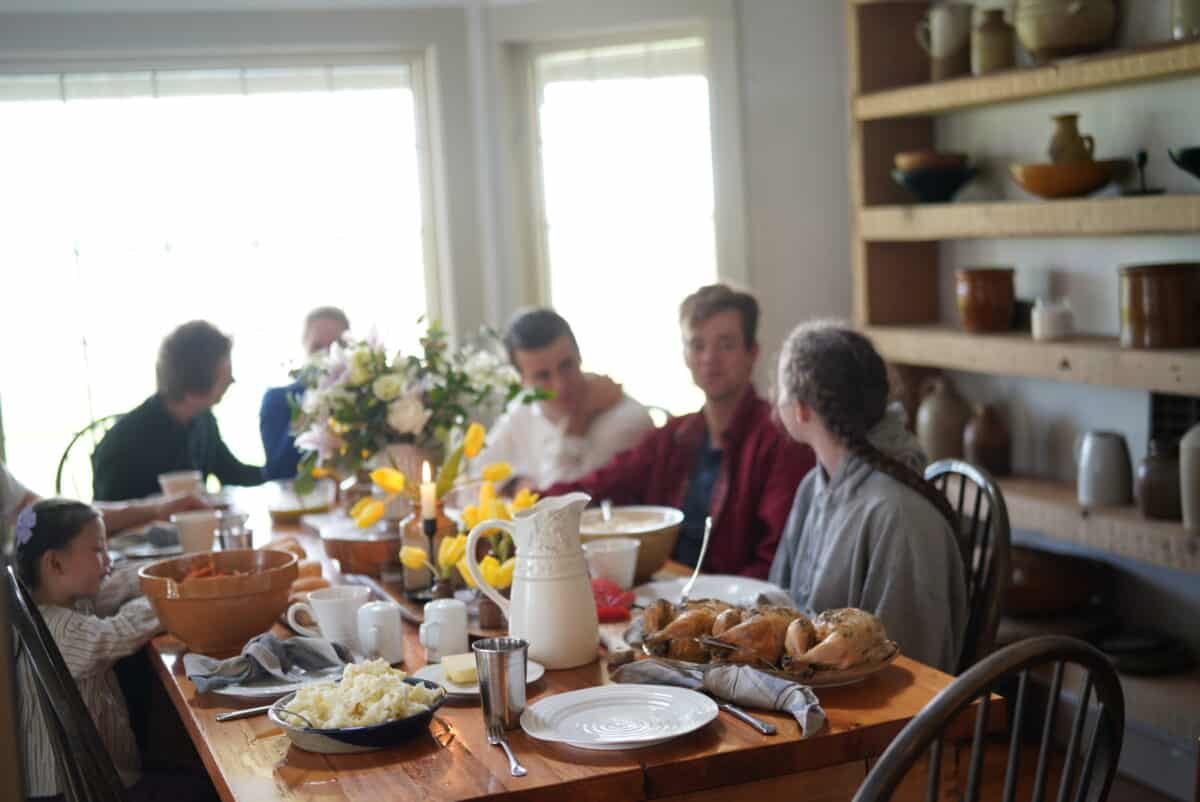



“Radical hospitality is here and now, with what we have, right where we are.“
Though I love beauty, decor, fashion, and the like, I recognize that Tonya is welcoming and safe because Tonya’s home is ordinary.
I was never afraid of sitting on the couch and causing a blemish or scuffing up the original wood floors, because nothing in Tonya’s home was ever emphasized or treated as more valuable than the people who walked through the door. There were never elaborate placemats or designer plates, but there was a space where needs were met and people were listened to.
At Tonya’s house, the gospel was not preached from a microphone, but it was reflected and lived out by her actions. In Tonya’s home there wasn’t an overarching message that said, “You are a sinner in need of God’s grace.” Instead she curated a message for each individual that sounded more like, “You are a daughter. Your Father is waiting for you to run into His arms.” Or “You are a child of the greatest Father, and with God you have a home. Welcome in.”
“Radical hospitality is not pretentious because all that is needed is an authentic presence. It doesn’t demand a certificate, passport, or title. And because hospitality is not pretentious, it is incredibly powerful.”
Those words were not necessarily spoken, but they were lived out and reflected in the way Tonya listened to each of us. That invitational message was reflected in the plates of food she handed out and the key she gave me so I could get in whenever I needed to, even if no one was home.
Tonya’s ministry, right in her home, taught me that the mission is not across the world or on a stage but in our backyards, right next door, sometimes hidden, and in our own communities. This means the mission of radical hospitality is accessible to all of us.
Too often we believe the mission and call on our lives is something we have yet to encounter. We believe we must go somewhere else, or obtain a title or an accreditation, but radical hospitality is a mission that is already available to us. Radical hospitality is here and now, with what we have, right where we are.
The mission does not have to be loud, applauded, or even seen as valuable. In her wonderful book Liturgy of Ordinary, Tish Harrison Warren, says it this way: “Ordinary love, anonymous and unnoticed as it is, is the substance of peace on earth, the currency of God’s grace in our daily life.” Oftentimes the most sacred missions are quiet and unnoticed.
Radical hospitality is not pretentious because all that is needed is an authentic presence. It doesn’t demand a certificate, passport, or title. And because hospitality is not pretentious, it is incredibly powerful.



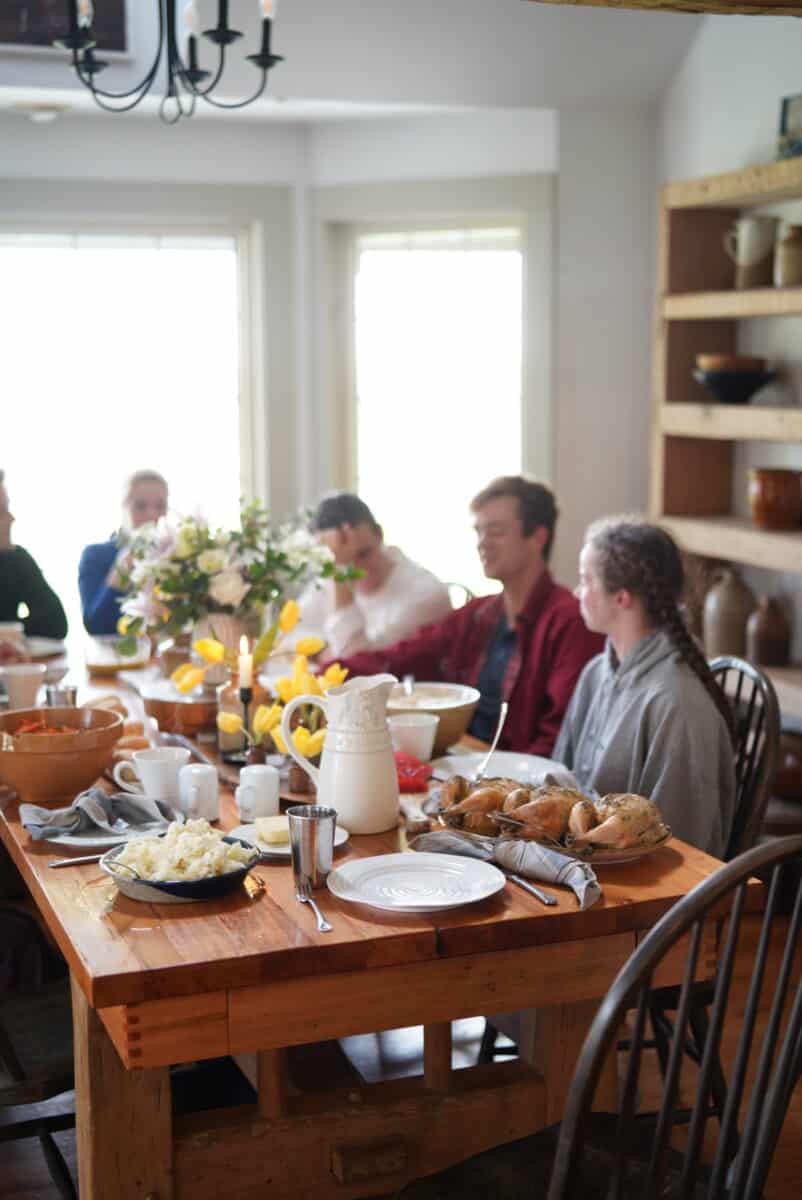



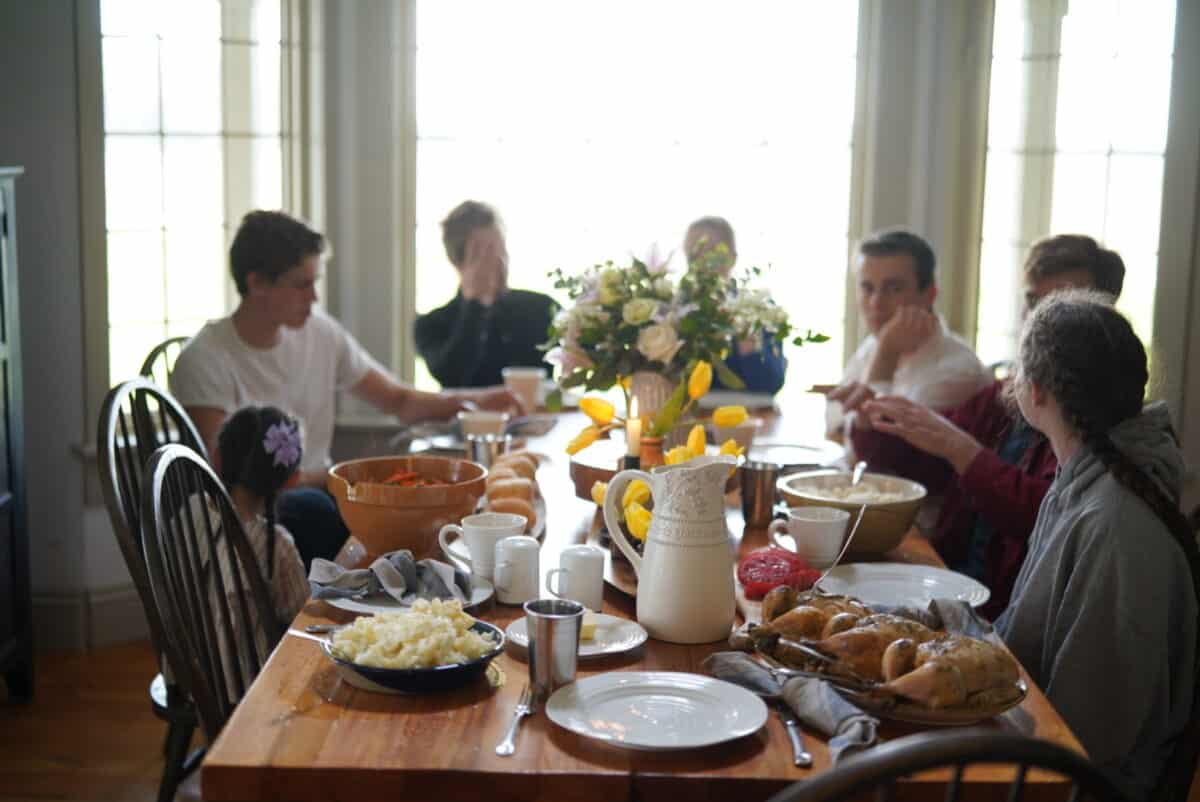

Unlike a minister who stands above people, radically hospitable people stand side by side and hand in hand with others, so that even the minister can be ministered to by the ones she serves.
Radical hospitality welcomes another into the real mess of life.
It listens intently and says, “I’m learning along with you.” Instead of showing up without context for the culture and saying, “I am here to save the day,” radical hospitality says, “Let’s figure this out together.”
Radical hospitality does not make invasive assumptions, but radical hospitality listens for a while and asks inviting questions.
Tonya is still in my life, and to this day she rarely ever gives me advice—yet she earnestly listens and asks questions that bring me closer to the heart of God.
Tonya doesn’t push an agenda but instead loves me right where I am, so God can keep shaping me more into the image of His Son.
If we want the church to grow, we must welcome in the stranger. If we want Christ to be known for who He is, we must meet the needs of others.
And If we want to witness hard hearts turn toward God, we must let people in.
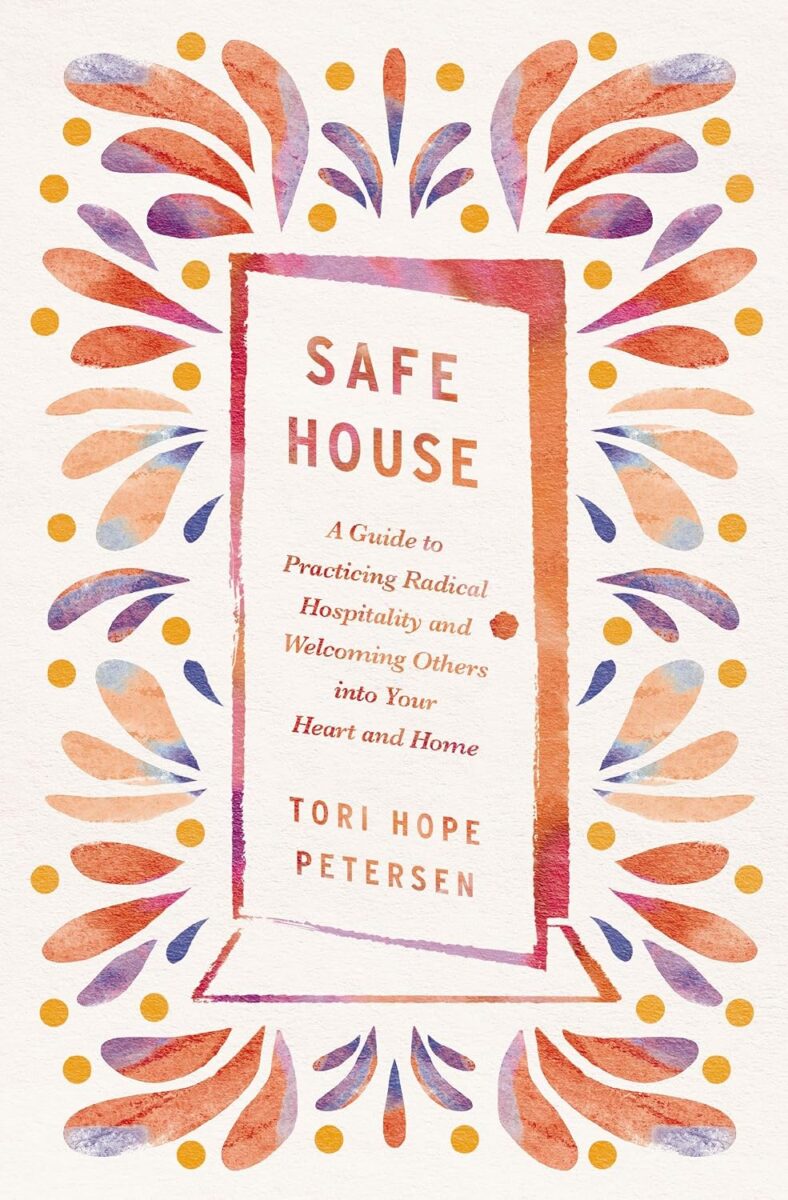
Tori Hope Petersen is a bestselling author, speaker, Bible teacher, and lover of people.
Since coming to faith, she has shared her testimony and life as authentically as she can to offer hope to others. Named by Outreach Magazine as one of “20 Rising Leaders for This Generation and the Next,” Tori is known for her compassionate voice on the topic of healing juxtaposed with her fierce advocacy work for the vulnerable.
At home she is a wife and mama who enjoys cooking with her children. With a deep value for family, community, and hospitality, Tori and her family love to make extra food for whoever might stop by. Tori’s book, Safe House, is a practical guide to radical hospitality and is available now wherever you buy books.
As a teenager in the foster-care system, Tori believed that she was unwanted and unloved, and her heart hardened toward God. Then her foster mom brought her to a church that took the call to care for the vulnerable very seriously. Tori saw church members stock the food bank, pick up strangers from recovery meetings, and set an extra place at the table for anyone who needed it. Their posture of hospitality led her to embrace God as her Father.
In Safe House Tori shows how that same kind of welcome—offered through your dinner table, guest bedroom, or backyard—can become a place where both you and the people you invite in start to heal. This isn’t about having the right home, the right words, or a perfectly set table. It’s about becoming a safe house.
{Our humble thanks to Thomas Nelson for their partnership in today’s devotional.}