Chelsea Ohlemiller never expected grief to become such a defining part of her life. After losing her mom in 2017, she began to discover just how complicated grief, faith and hope can be. There have been days when she has felt deeply held by God and others when she has struggled to understand where He was in the middle of her pain. As a wife and mother of three, Chelsea has also learned what it means to carry her own grief while continuing to show up for the people she loves. Through her writing, Chelsea invites others to embrace the messy, imperfect journey of grief while continuing to find faith, purpose, and hope in the life that remains. It’s a joy and honor to welcome Chelsea to the farm’s table today…
Guest Post by Chelsea Ohelmiller
I was standing at the casket of my 57-year-old mother when someone I recognized from church approached me. She wrapped me in a hug and said, “Everything happens for a reason.”
She said it like she wanted to give me something to hold onto, like a blanket for a toddler, or a hand to hold from someone you love. Instead, the space between us remained empty.
It remained hollow, void of someone irreplaceable and also void of the peace her words were probably meant to provide.
There was no comfort in her statement, though she surely intended it. Instead, I thought, “What is the reason?”
Part of me wanted to ask her, but I lacked both the will and the effort, consumed by grief. I would be asking her an impossible question.
After the services, and the burial, and the schedule of rituals and traditions that signify death, later down the journey, I sat and wondered, if you give a gesture of hope, wrapped in unattainable answers and solutions, is the hope unattainable too?









So often, as people witness death, and come face-to-face with the mourning, they say, “Everything happens for a reason.”
They stand in front of grieving hearts and instead of providing the opportunity to witness and acknowledge the visible pain and heartbreak, they create an impossible question: What reason could be good enough for this?
“I realized that I don’t need to believe God wanted my loss in order to believe God can meet me in it. “
What is the reason a parent dies before grey hair or wrinkles? What is the reason a child dies before they can see the colorful hallways of a school? What is the reason a sister, or friend, or beloved family member dies having suffered horribly? What is the reason?
All unanswerable questions.
Years later, this lady’s funeral proclamation still gives me pause. I searched and searched but never found the answers. And somewhere in sitting with both an immense grief and a confused and challenged faith I realized that I don’t need to believe God wanted my loss in order to believe God can meet me in it.
“The hope comes from knowing that while not all things are good, he can work within all things for good. The hope comes not from good being in everything, but from God being with me in everything.”
Romans 8:28 states: “And we know that in all things God works for the good of those who love him, who have been called according to his purpose” This doesn’t mean everything that happens is good. This doesn’t mean I have to see the good in my mother losing her hair. It doesn’t call me to see the good in the debilitating effects of the medicines that were supposed to cure her. It doesn’t require me to see the good in her entering eternity before meeting all of her grandchildren or watching me walk down the aisle. There is no hope in that. There is no good in that.
The hope comes from knowing that while not all things are good, he can work within all things for good. The hope comes not from good being in everything, but from God being with me in everything– grief, mourning, and suffering included.
John 9:3 states, “Neither this man nor his parents sinned, but this happened so that the works of God might be displayed in him.” God shows that reasons are not the key element, nor understanding, but instead presence—the presence of God.
I stopped looking for understanding.
I stopped asking impossible questions.
“God shows that reasons are not the key element, nor understanding, but instead presence—the presence of God.“
Instead, I started looking for God as fiercely as I used to try to find Waldo in those search-and-find activity books–never stopping, searching for him everywhere.
That changed everything. It reminded me of the foundational element of faith my mother had taught me as a young child, that understanding isn’t required for faith.
The faith I know, the one I inherited before claiming it as my own, always told me that I don’t need to understand what God is doing. I don’t need to know why things happen. I don’t need to know what good could possibly come from my mother’s cancer diagnosis or her death. My faith taught me that when I’m in the thick of grief, and in the depths of the unknowns, God is here with me, too.
Wherever I am, God is still here with me.





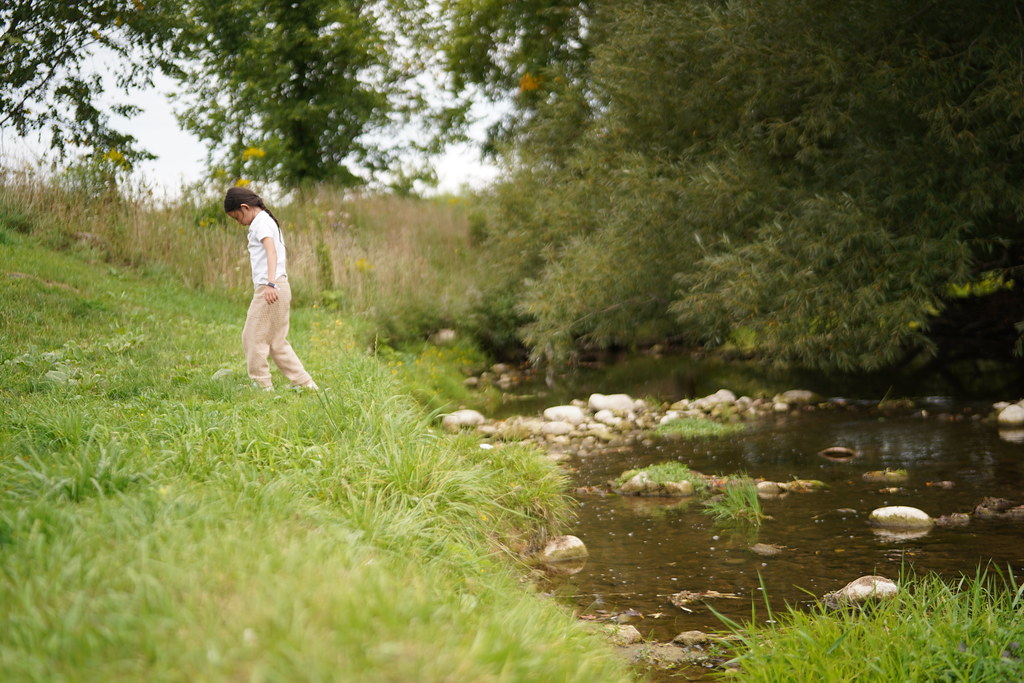
“Faith doesn’t mean having an answer for the heartbreak, or loss, or grief. Faith is being able to live with it, to carry it forward, and still wholeheartedly believe that God is good and with us always.”
What if we stopped insisting that every death has an explanation that must be articulated?
What if we could gently whisper, “I don’t know why this happened, but God is with you.” What a bold offering of faith, and comfort, and love, to say, “This hurts, and God is with you.”
Tragedy isn’t some divine lesson plan. Faith doesn’t mean having an answer for the heartbreak, or loss, or grief.
Faith is being able to live with it, to carry it forward, and still wholeheartedly believe that God is good and with us always.
Christianity doesn’t require us to call the loss good.
It calls us to believe God is always good.
What a powerful distinction for both faith and grief.
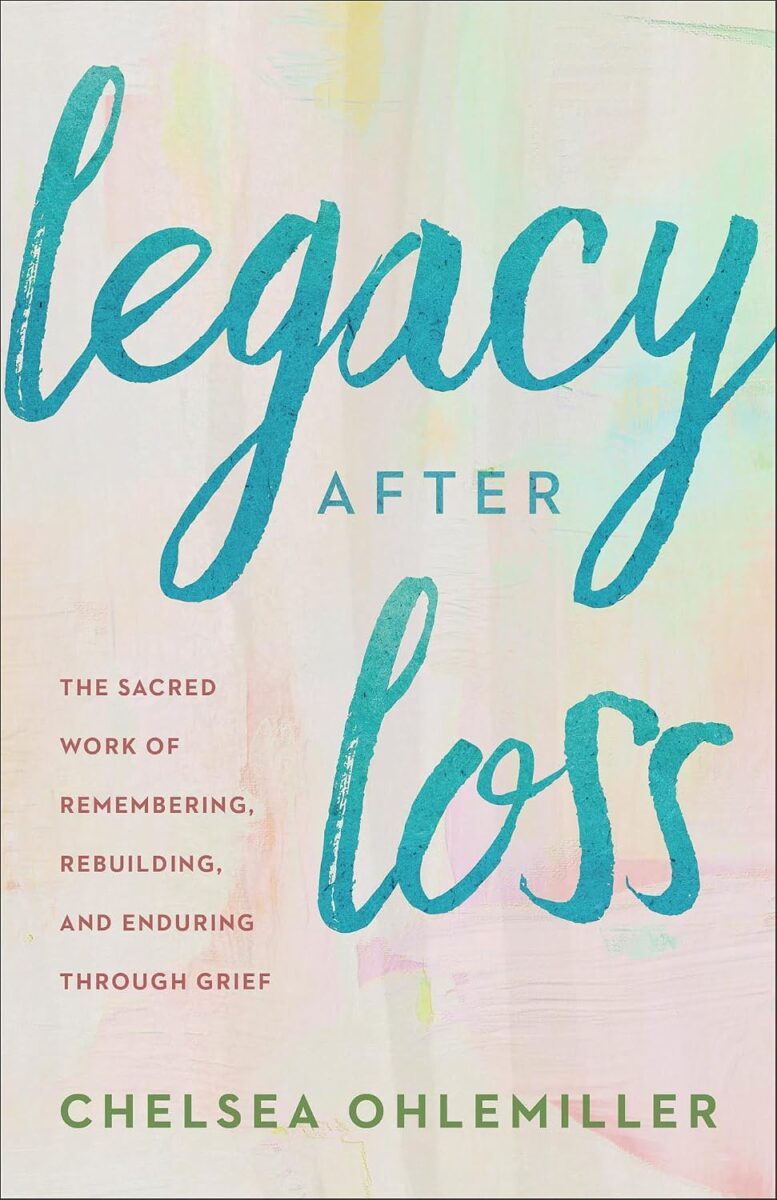
Grief changes the way we remember, rebuild, and move forward, but it doesn’t have to change the hope we carry.
In Chelsea Ohlemiller’s new book, Legacy After Loss: The Sacred Work of Remembering, Rebuilding, and Enduring Through Grief, discovesr how to honor what you’ve lost while continuing to live with purpose, faith and hope.
Through honest stories and hard-won wisdom, Chelsea reminds grieving hearts that they don’t need easy answers to find meaning, and they don’t have to leave their loved ones behind to keep moving forward.
Connect with Chelsea at www.hopeandharshrealities.com and on Facebook and Instagram @hopeandharshrealities.
{Our humble thanks to Revell for their partnership in today’s devotional. }