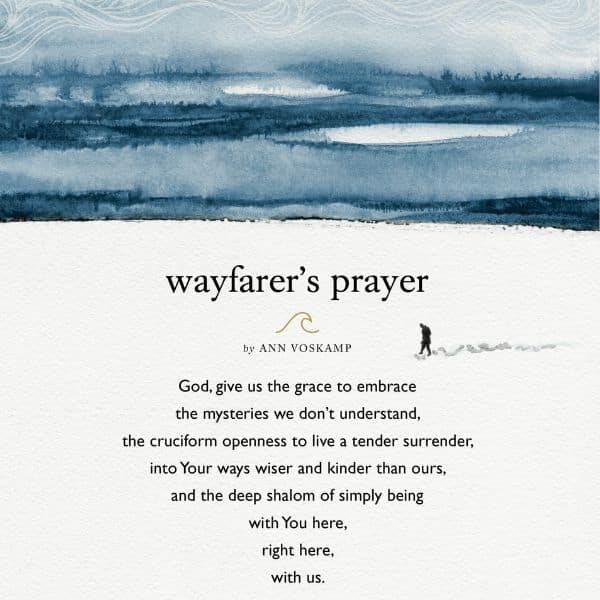
You know that feeling of having your heart cast down? Brittany Lee Allen knows this feeling all too well as she journeyed through grief in an environment that left little room for tears. Through that broken, wounded place, the Lord opened her eyes to many lies she’d believed about suffering, giving her freedom to cry out to Him in her pain. Her book, Free to Weep, is the fruit of those years in the refining fire. It’s my joy to welcome Brittany to the farm’s table today…
Guest post by Brittany Lee Allen
My husband and I were speechless as we began to drive home. The shock of what we’d just experienced fell around us like a thick fog. “They’re wrong,” he said, breaking the silence. My husband doesn’t get angry often, but I could hear the righteous anger in his voice. I don’t remember what I said that cold February evening in the car—that part of the story is a blur now—but I remember the pain that struck my heart as the arrows of harsh words burrowed in. I remember feeling like an ant looking up at a boot that hovered overhead. I felt so small.
That boot would come down in the coming weeks. I would be stomped into the ground with every hurtful sentence, manipulating question, and false assumption.
You see, according to certain people I knew, there was an idea of what it looked like to “suffer well” as a Christian, and I was not living up to their standard. I grieved too much and for far too long over the three babies I lost. I was too honest when others asked how I was doing and cried too much at church.
I was deemed too melancholy, and therefore, immature. Because of my sorrow, my faith was questioned.
Bad theology about suffering crushes image-bearers of God.




In many churches we talk a lot about what it means to “suffer well.”
Some may define it as being an overcomer—having certain faith that God will come through and answer every prayer according to our desires. Others may believe it looks like enduring suffering with a smile on your face rather than tears on your cheeks, never lamenting your lot.
Either way, there is little room for those pesky emotions like sadness, fear, or disappointment. Faithful Christians are stronger than that, right? But when we search the pages of Scripture, do these views align with what we find there?
The view of “suffering well” some hold to looks more like modern-day stoicism than what we see in the Bible. The stoics of the past were resolved to never attach themselves to anything enough that they would be deeply impacted by the loss of that person or thing. While we today may not be so extreme, there are ways in which we model similar behavior toward suffering.
When we act like stoics, we rob ourselves of joy.
When I became pregnant with our second baby a few months after losing our first, I sought to wring out any excitement in my heart like a wet kitchen rag.
I desperately longed to escape the sorrows of miscarriage, so I didn’t allow myself to ponder due dates or what it would be like to watch my belly grow. I thought it would spare me the pain of losing our baby, but it didn’t. Instead, my grief over losing our second baby was compounded by the sadness of my refusal to rejoice over that baby as he or she deserved.
When we act like stoics, we rob ourselves of joy.
We might even discourage ourselves and others from grieving life’s heartbreaking realities. “Don’t be sad. Trust God. It will all work out.” Often at funerals you’ll hear someone say, “They wouldn’t want us to be sad.”
If there is ever a time or place to weep, surely it would be at a funeral. The most harmful part of locking up our grief in a coffin is that it keeps us from communing with God in suffering.
If we ignore our pain, pretending it doesn’t matter, we won’t go to God for comfort. What a tragedy. He stands ready to receive us in His arms like a Father and we just say, “No, I’m okay.”



The psalms are packed with people crying out in their pain. David, Asaph, and other saints pour out their hearts to God asking things like, “Why do you hide yourself in times of trouble?” (Psalm 10:1), “Will you forget me forever?” (Psalm 13:1), or “Why have you rejected me?” (Psalm 43:2).
Have you ever felt abandoned by God in your trials? I know I have.
I’ve cried out “why” and “where are you” as my tears fell to the pages of the Bible in my lap. In long bouts of suffering, isolation can sink in causing us to feel utterly alone. Many people view these questions toward God as impatience or immaturity, but they are evidence of faith. Faith runs to God with its questions. Faith brings its wrestling, laying it all down at the feet of the Father, and then humbly submits to His will. The mature believer is willing to pour out their heart to God.
Suffering well is not the absence or denial of downcast or depressive feelings, but instead, a willingness to admit our sorrow and cry out to God.
The psalmists felt as we often do in a season of sorrow: Downcast.
This is not to say that it is a happy place, or somewhere anyone would like to stay, but it is undeniably human. It is human because we are not home yet. We are still here, trudging our way through thorny bushes, looking to the sky for a sign of Jesus’ return.
Until He ushers in perfection and the end of all heartbreak, we will have times of grief. The godly response to tragedy is deep sadness. Godly grief is grieving anything that God grieves. God grieves the suffering of His people.
Suffering well is not the absence or denial of downcast or depressive feelings, but instead, a willingness to admit our sorrow and cry out to God. It doesn’t look like walking in self-sufficiency but rather asking for help from our church family. It means we can weep over our losses and still rejoice in our salvation and the ultimate hope that one day Jesus will wipe away every tear.
Suffering well looks like remembering that our suffering Savior walks beside us.
Brittany Allen is a wife to James and a mom to two boys, as well as three babies lost to miscarriage. She’s an author, speaker, and Bible teacher, and serves in the women’s ministry at her church. You can find more of her writing at brittleeallen.com or subscribe to Treasuring Christ Newsletter on Substack.
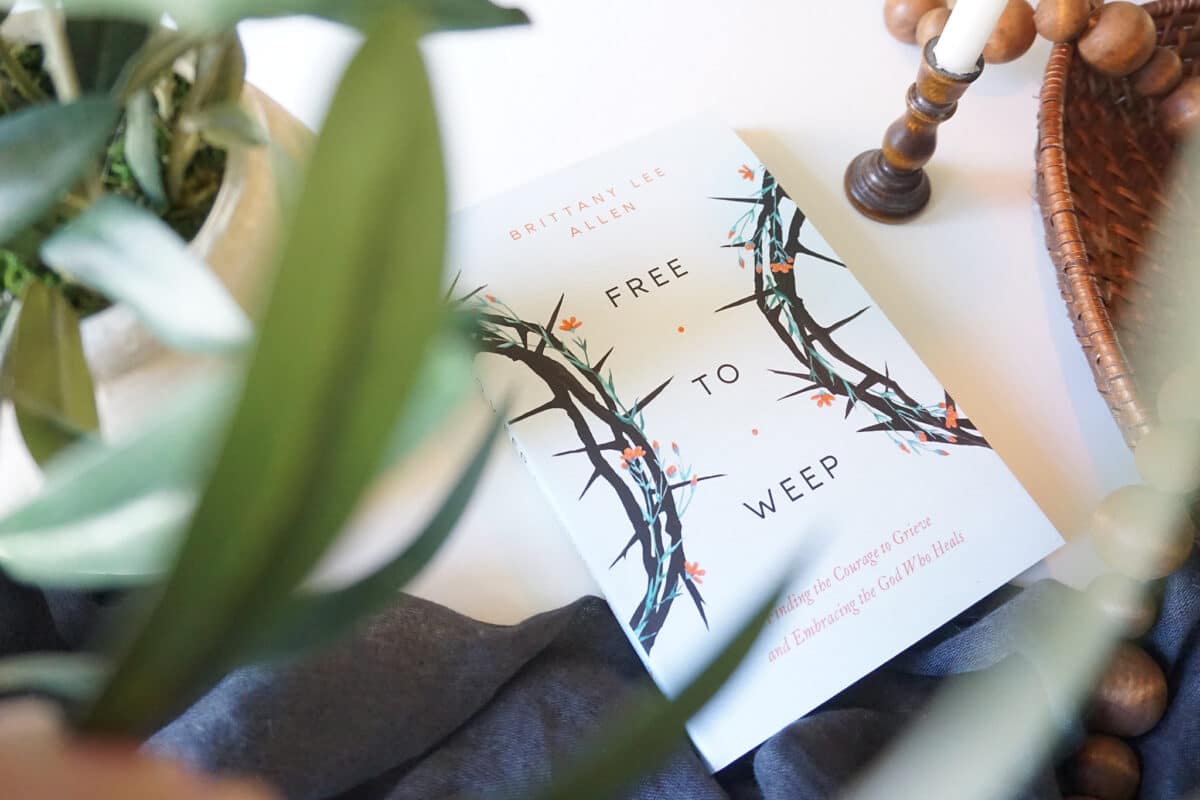
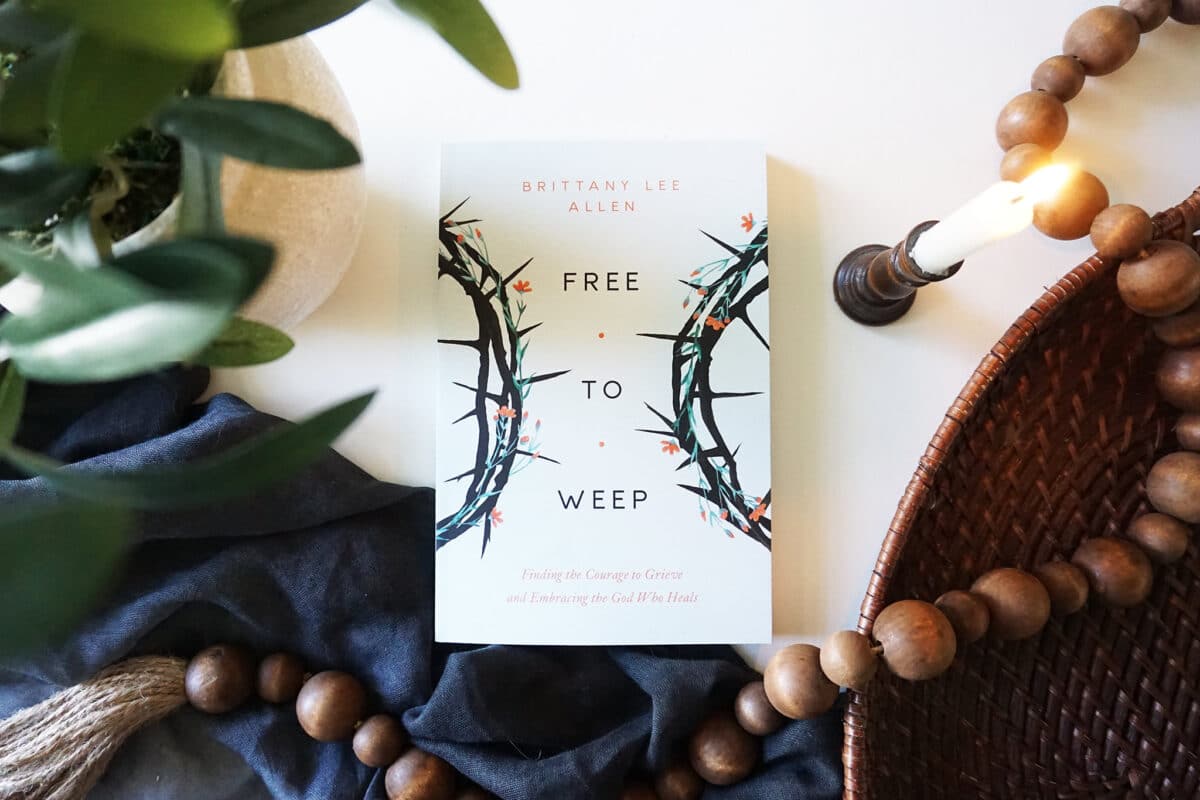
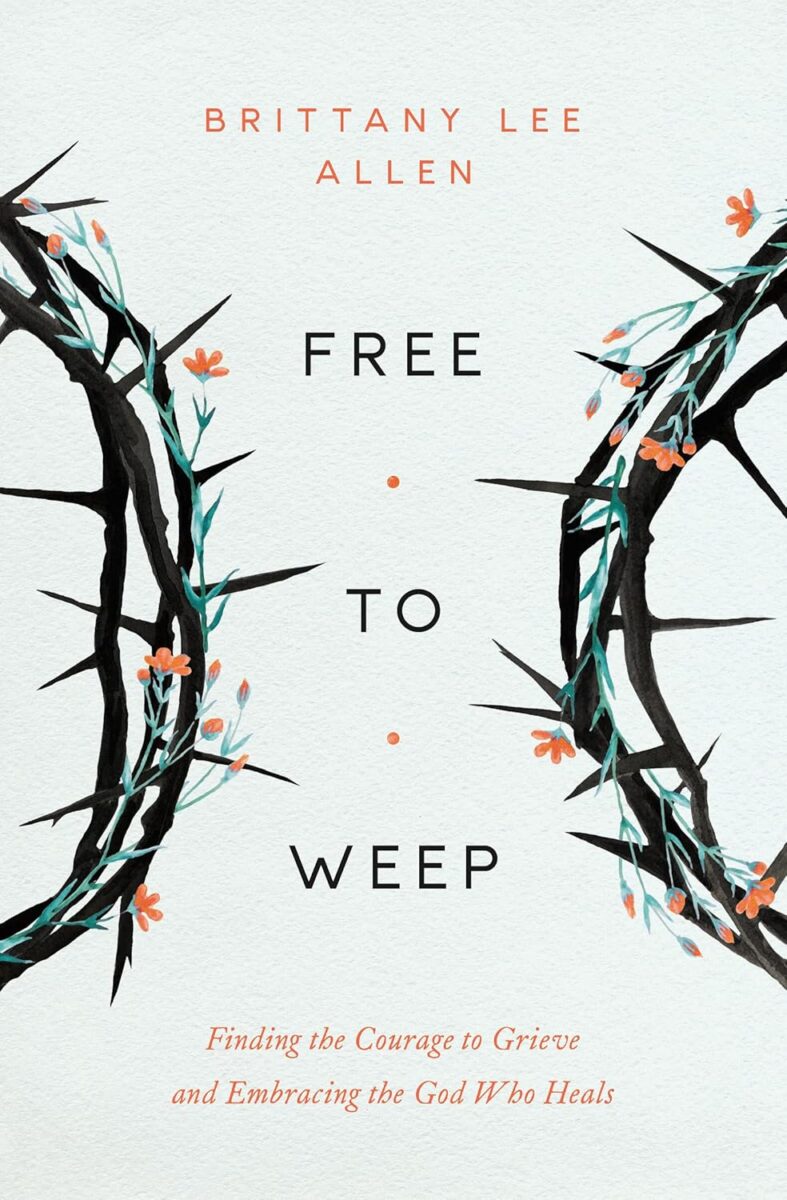
Brittany’s latest book is Free to Weep: Finding the Courage to Grieve and Embracing the God Who Heals, where she answers difficult questions about suffering as a Christian by looking at them through the lens of Jesus’ life. Free to Weep is a biblically grounded invitation to grieve honestly and rest in the presence of Christ. Because faith was never meant to silence your grief.
What does it look like to suffer well—to grieve life’s losses, big and small? How does God grieve? Looking to the example of Jesus, our Suffering Savior, readers grow in empathy, truth, and grace for themselves and others. God is with you in your pain. When you’re suffering, He invites you to draw near and rest in Him. Join Brittany in discovering the beauty of God’s heart in Free to Weep.
{Our humble thanks to Moody Publishers for their partnership on today’s devotional.}