A kind, wise friend, Christie Purifoy is one incredibly eloquent writer and an avid gardener but she will be the first to tell you that her most distinguished title would be “placemaker.” From her Victorian farmhouse in southeastern Pennsylvania, where I’ve had the joy of several times experiencing her welcoming hospitality, Christie digs in the dirt, putters around on her porch, savors sips of tea, and witnesses God’s everyday miracles—both big and small. It’s this sacred work that makes her home special. I’m delighted to welcome Christie to the farm table today as she shares reflections on how to make a house a home.
Guest Post by Christie Purifoy
You are welcome in this place.
Those were the words I seemed to hear whispered between two rows of sentinel maple trees when Jonathan and I first drove down the long driveway toward the comforting redbrick face of the house called Maplehurst.
Of course, I did not speak the language of trees then, and I am only a novice now, but I was aware from the beginning that here was a house we could call home.
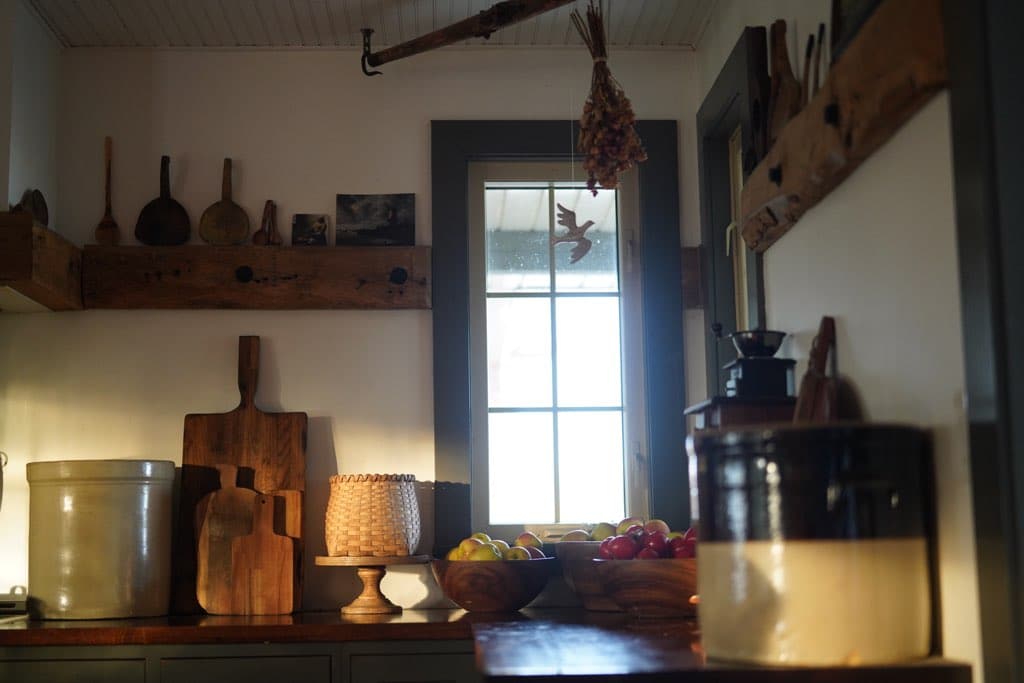
Despite the summer heat wave and the heaviness of my unborn daughter, the dim, un-air-conditioned rooms beckoned like a spacious place. As I climbed one flight of stairs and another and another, as I stepped in and out of small attic bedrooms, I knew that if there was a life too large for this house, it would be a life I did not want.
Here was a house that could hold all of our dreams and desires, our love and our living. Even our grief would be welcome here.




We were not grieving then; we were simply desperate.
Our fourth baby was about to be born, but we did not want our life with her to begin in Florida, a place that sometimes felt like a wilderness and sometimes felt like an oasis of rest but never felt like home.
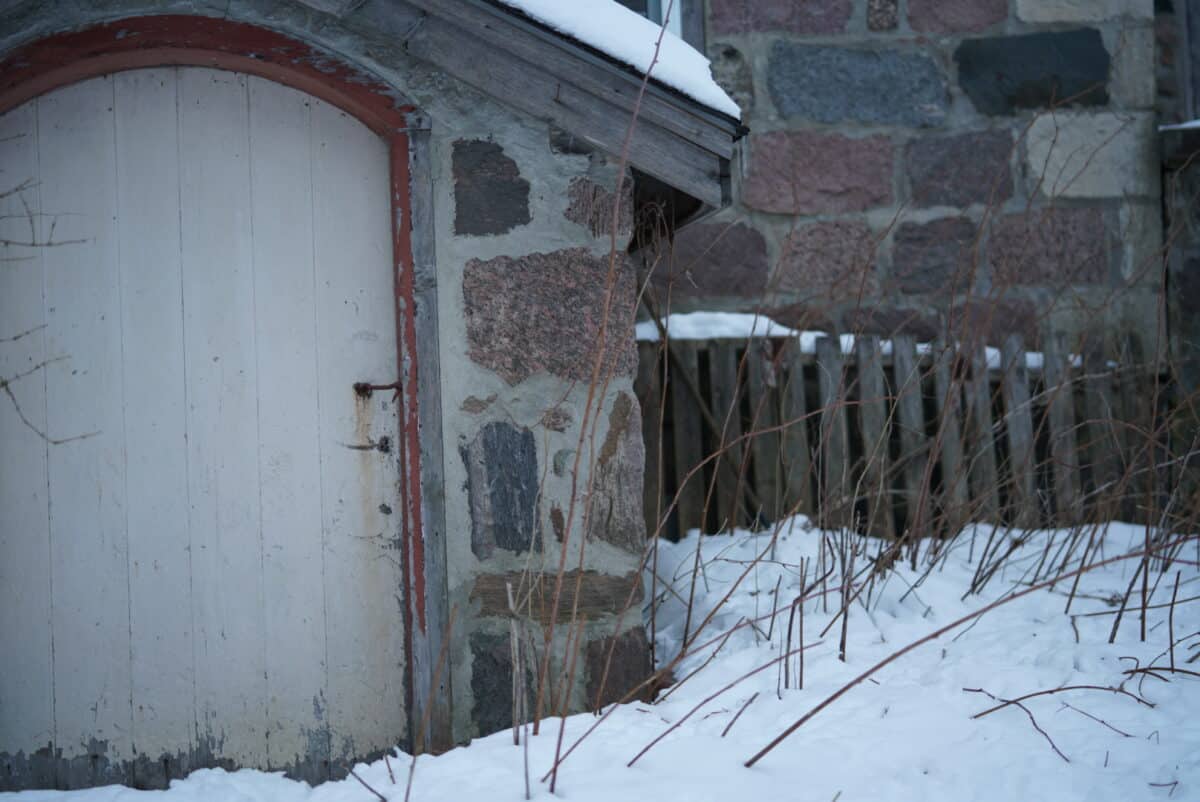
Here, then, was where our life as a family of six would begin and where it would grow. Here in this quiet green corner of Pennsylvania, in the redbrick house that Quaker farmers built, we would make a place together for ourselves and for others.
Florida had given too much of too few things: too much sunshine, too much heat, and row after row of unchangeable longleaf pine trees. I would have loved it for a vacation, but I did not know how to love it as a home.
In Pennsylvania, I found a place of constant, subtle alteration. Here, the seasons are always shifting, the clouds coming and going, the trees budding, greening, coloring, falling. And at the center of it all is the abiding stillness of the house.
Many years after our move to Maplehurst, my friend Amy—a friend I had known in Texas as a child and found again as a near neighbor in Pennsylvania—passed on to me something she had once heard a teacher say: seen from a certain angle, the Bible has only three chapters. The first is “Home.” The second is “Lost.” The third is “Home Again.”
“A faithful life is a journeying life.“
This is a universal story, and it has been for me a very personal story. A search for home first led us to a farmhouse at the top of a gentle hill, but this place has become the foundation for a life of continual homecoming and perpetual arrival, as if home is a house always able to welcome us into deeper versions of itself.
A faithful life is a journeying life.
It is, as an itinerant rabbi with no place to lay his own head once said, a Way, and as long as we are traveling, it is possible to become a little lost. You can stay in one place and still days will come when you do not know where you are. On those days when I feel lost again, the very same house that I have tended and repaired and tried to make beautiful has wrapped its arms around me. The same house I have given as comfort to others has offered its comfort to me.
And when I use the word comfort, I do not mean anything sentimental or self-indulgent. I am excavating the ancient origins of this word: fort means “strength.” Centuries before this word spoke to us of material ease, before we ever imagined comfort foods or getting out of our comfort zone, the earliest English-language Bibles used the name Comforter for God’s Spirit in our midst.
To give and receive comfort is to give and receive the deepest kind of strength, the kind necessary if we are to live our lives well. And a life well lived is a powerful force in a world desperate for meaning, direction, and hope. I try not to retreat into my home to hide—either from the world or from myself. I retreat into my home to rest, to heal, and to be replenished for another day of whole-hearted living. I like to think others have also found this kind of retreat here at Maplehurst. We are not all called to be placemakers, but we are all in need of the comfort good places can give.

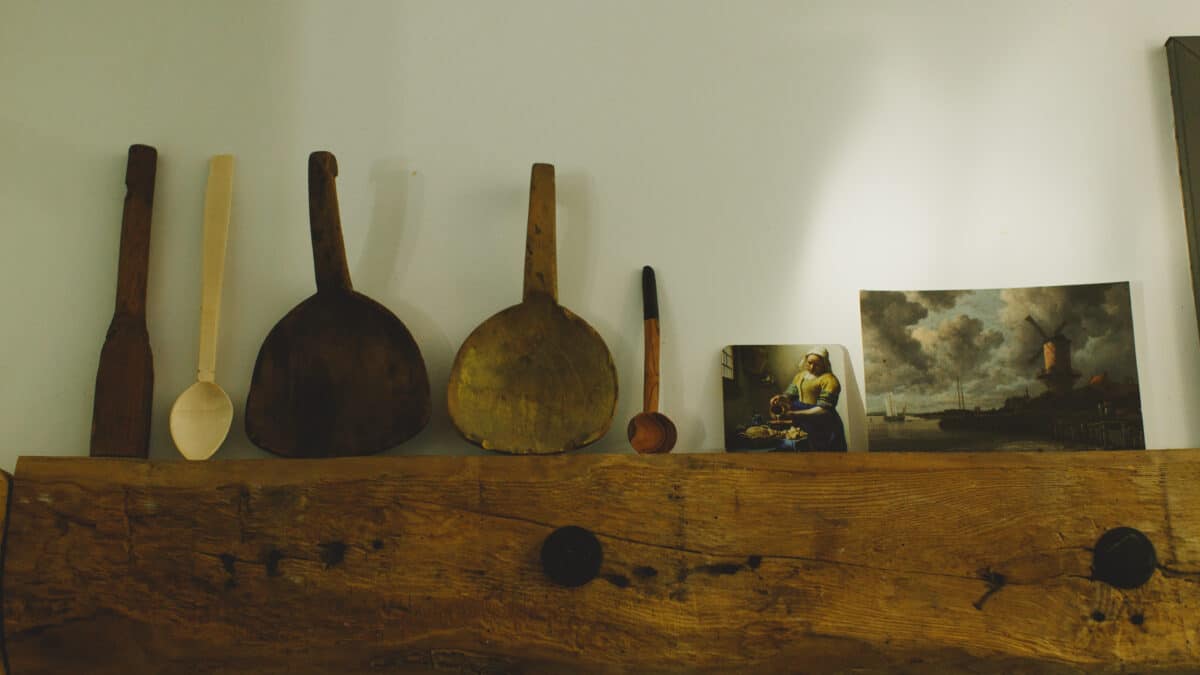

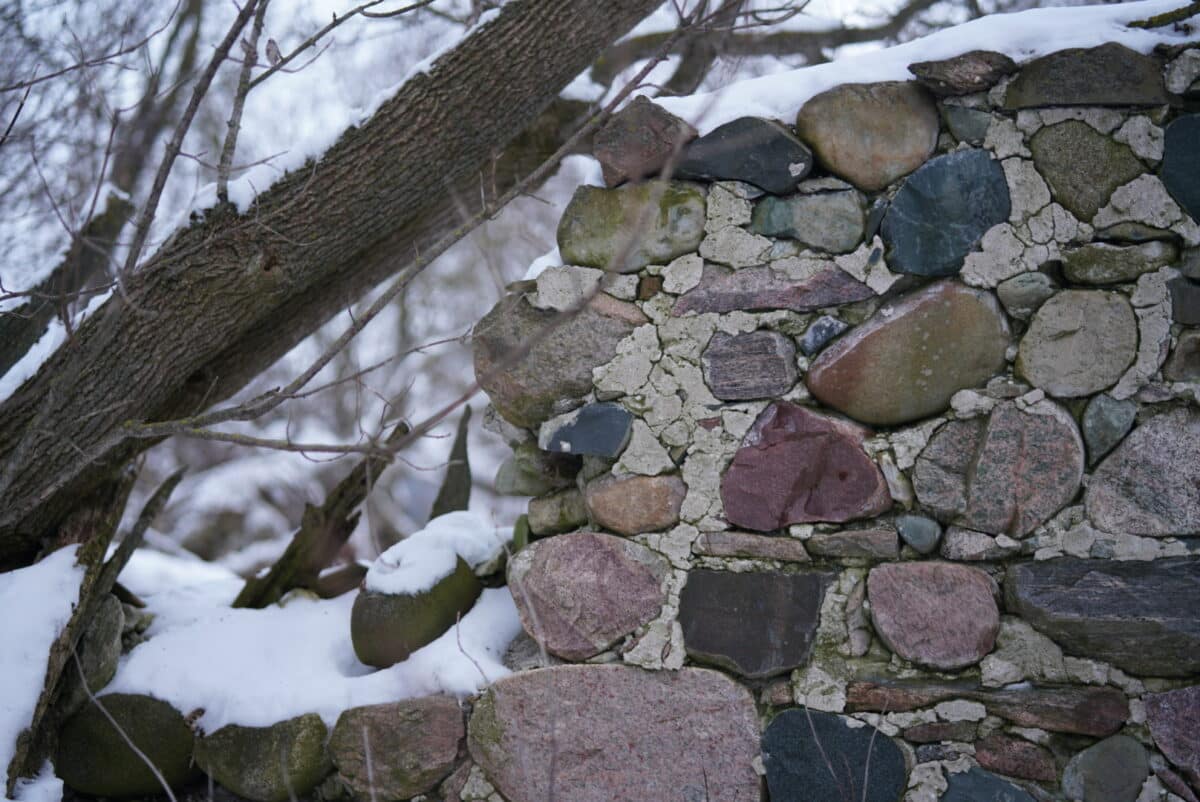

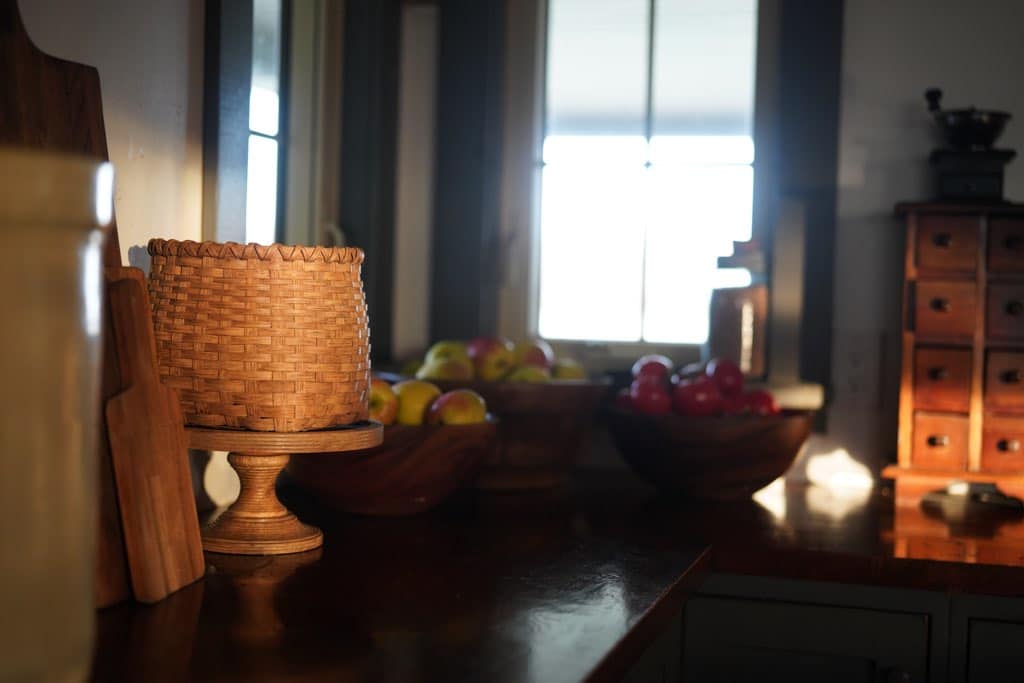

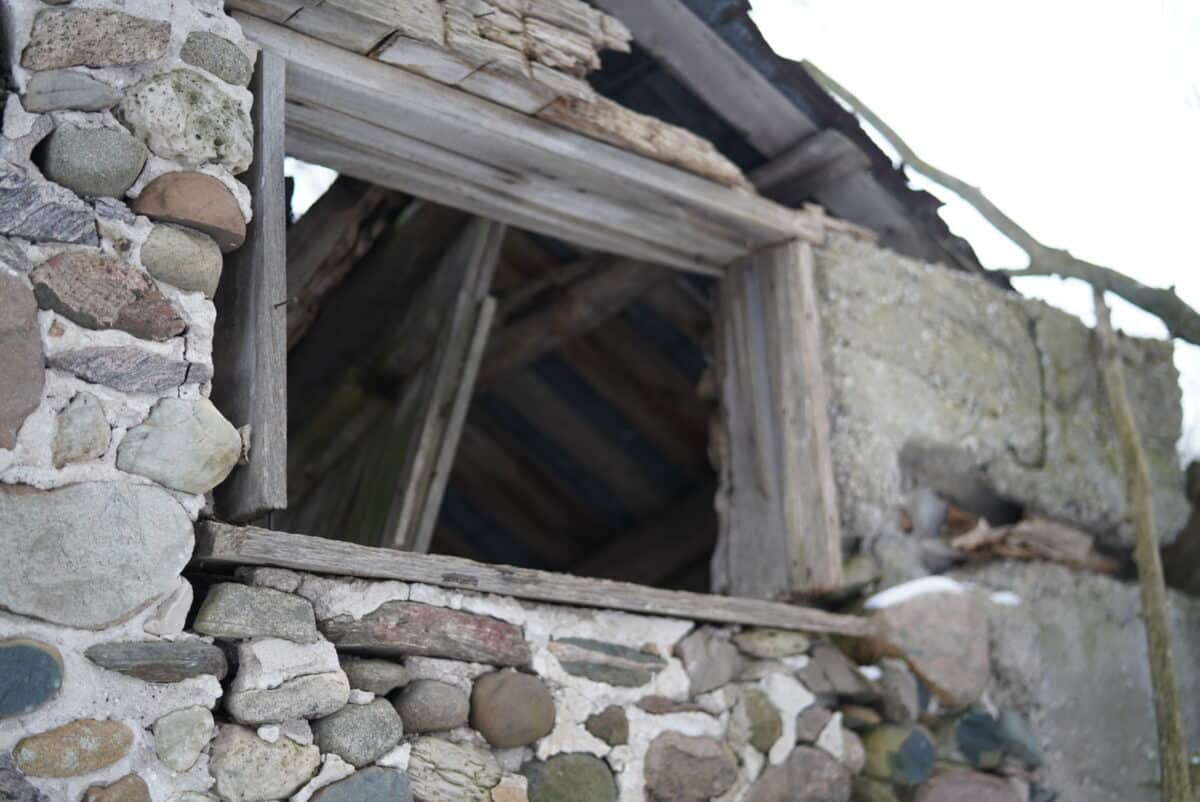
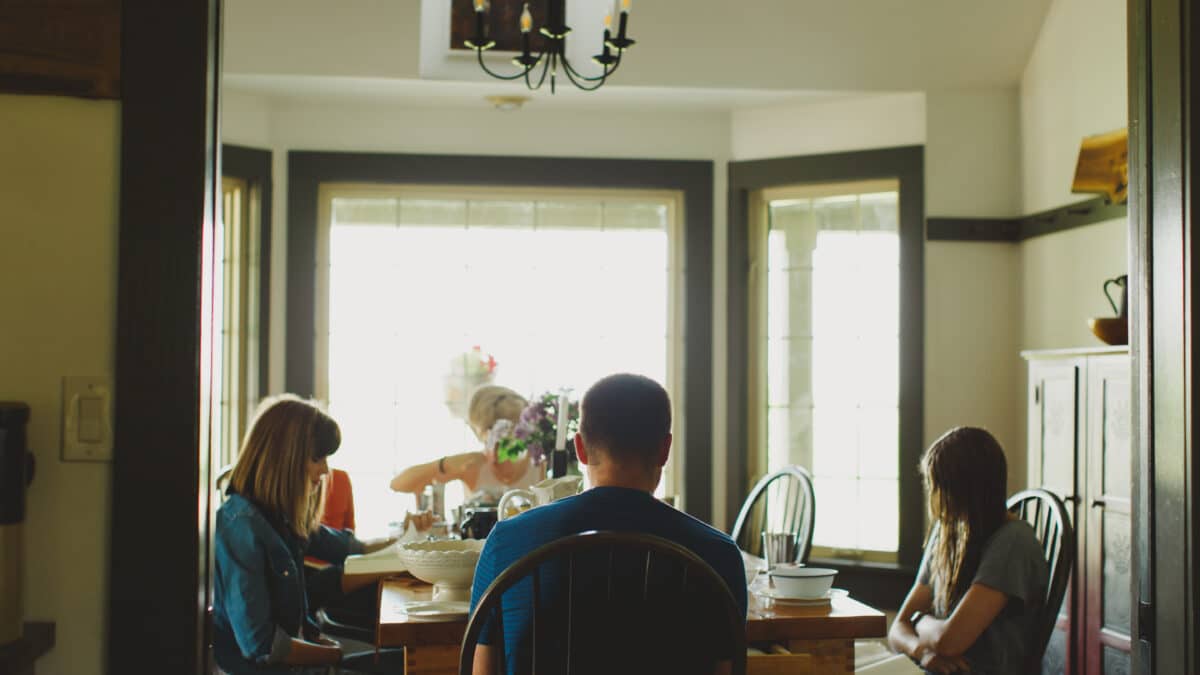
When we first came to this Victorian farmhouse with three small children and one more on the way, I had an insistent question: does making a place matter?
Is it worth the sacrifice of time and energy and resources?
I know now that it does matter, that it matters very much, but I also know that life brings seasons of making, of unmaking, and of making anew.
Places are not static. They are more like people, more like trees, and they have a life of their own that must be tended so that they in turn can take care of us.
My latest book is about the life of one particular old house, the house I know best, the one that has been the making of me. Its life began before I ever came here, and its life will continue long after I am gone. The life of this house is utterly unique, and yet I am more and more convinced that all well-loved places can be havens for rest and welcome, healing and comfort.
With care and creativity, all houses can be called home.

I look forward to every word from Christie Purifoy and keep her books here in their own stack here on my coffee table… deeply life-giving.
Christie Purifoy is a writer, an avid gardener, and a self-proclaimed placemaker. She holds a PhD in English Literature from the University of Chicago and has taught literature and composition at the undergraduate level. Her books include A Home in Bloom, Garden Maker, and Seedtime and Harvest. Christie explores her love of gardening and all things beautiful at her Victorian farmhouse in southeastern Pennsylvania.
Christie’s latest book, A House to Call Home, is a stunning heartfelt collection of lyrical essays offering readers philosophical and practical insights into creating a deeper sense of belonging in the place they call home.
With creativity and care, you can cultivate comfort in the house where you live.
Learn more about Christie and her new book here.
{Our humble thanks to Harvest House for their partnership in today’s devotional. }