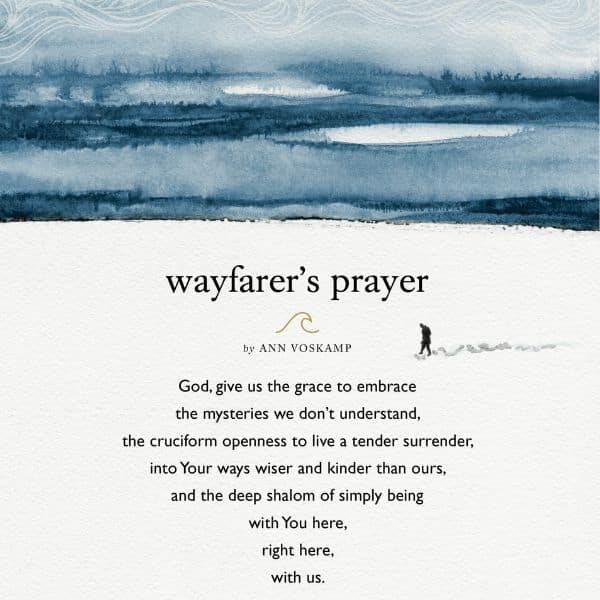
You know, there are seasons when God feels so near — and others when His presence feels quiet, even distant. Kyle Strobel is one of my professors in my doctoral program at Talbot School of Theology and is shaping how I understand living my life in the life of God and has helped me see those dry places in life not as abandonment but as invitation. Today, he offers a gracious re-framing of what’s happening when consolation fades and the desert appears. It’s a joy to welcome Kyle to the farm table today.
Guest Post by Kyle Strobel
In my life with the Lord I have known seasons that were immensely full of life, joy, and a peace beyond words. But I have also known seasons where God seems entirely absent.
I have walked through times where everything I did devotionally felt dry as dust.
Unfortunately, rather than asking, “What is the Lord doing in this?” I tended to assume He wasn’t doing anything at all in these dark places.
What I missed was that this was an invitation into something more.
The Lord was calling me to Himself in love.
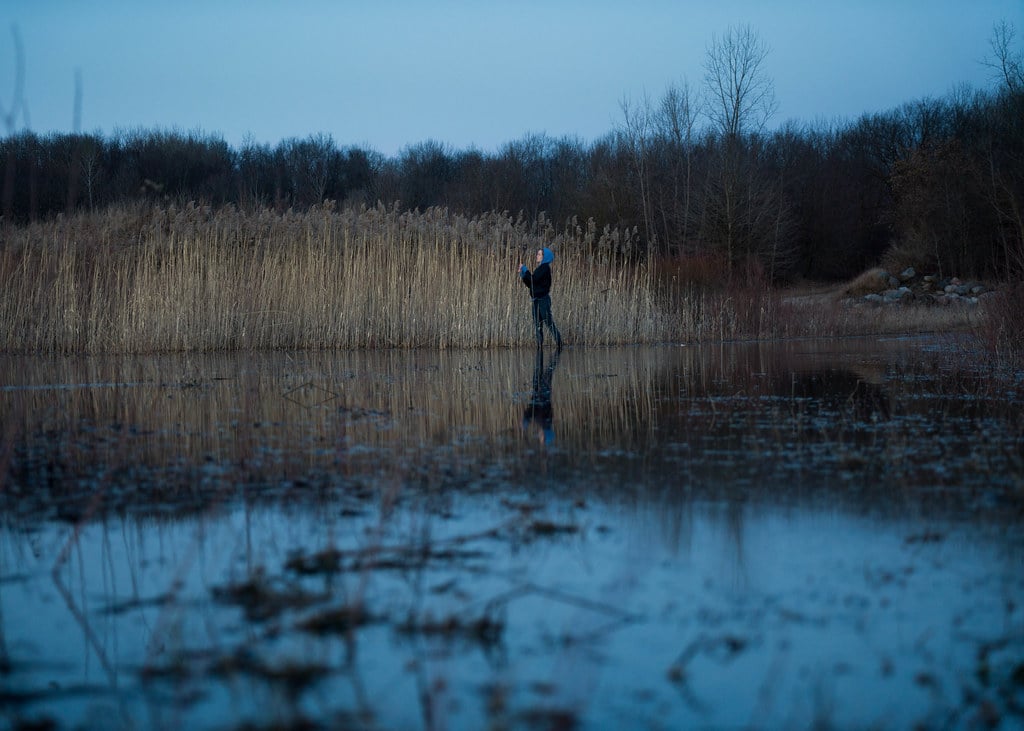


Imagine yourself afloat on a lake, sailing across the water on a beautiful summer day.
The wind of the Spirit fills your sails and carries you along across the tranquil and serene water with the waves gently lapping against the side of your boat. You don’t feel inhibited by everything else going on in your life because you are taken in by the beauty and freedom of the day. You are at peace. Whatever worries normally crowd your consciousness have faded, and you are captivated and at rest in the glory of God’s creation.
Now imagine that the water quickly drains out of the lake, and hidden things begin to emerge. An old, rusted-out car is slowly revealed. You see an old bike, a broken fishing rod, and other less interesting things that were sent to the bottom of the lake to be forgotten. Your boat strikes a rock, and it appears that your perfect day is ruined. Stuck in mud, what was once an experience of life and freedom now feels like being trapped and going nowhere.
These two experiences mirror what Christians have called “consolation” and “desolation.”
What we don’t realize about consolation—as we are in the midst of it—is that the pleasure and excitement of the Lord lifts us from experiencing the brokenness and sinfulness of our souls. Like the day on the lake, the consolation of the Lord releases us to be driven along freely by the Spirit. This is an incredible gift!
“Our failure is not a place to despair but an opportunity to seek the Lord and know his faithfulness.“
We hear a sermon, and even if it is a really hard word to hear, naming the very things we struggle with, there is a deep and abiding “Yes!” in our souls. This allows us to freely embrace the call of obedience. If the sermon exposes our failures, we don’t despair because in this moment of consolation, we are carried along by the wind and the waves of God’s pleasure.
Our failure is not a place to despair but an opportunity to seek the Lord and know his faithfulness. We may know what lies beneath the surface of our lives, or we might not, but that is far from our mind as we are swept up in the Spirit’s consolation.
When consolation fades—like the water draining out of the lake—and the Lord gives us the gift of desolation (and yes, it really is a gift), things change. Like a good parent disciplining their child, the Lord allows for pleasure and excitement to wane. Just as Israel walked through the consolation of the plagues against their captors, coming to know the freedom and exhilaration of deliverance, we are told that he then leads them into the desert to show them what is in their hearts (Deut. 8:2).
In the desert, when things are dry and life isn’t going to plan, what was hidden in the depths emerges. The truth of our character, and the pains and sinfulness we have internalized, come forth as we are being called into a deeper kind of formation. We imagine that the Spirit’s work will always feel like sailing on the lake. When the water drains and we no longer feel the pleasure of his presence, we assume we’ve been abandoned until we clean up the swamp. This is the problem so many Christians find debilitating.
There is, however, a different way to understand what happens when the water level decreases.
We could look at things from a different angle.
“When the water drains, you are called into something deeper, and the Lord is revealing something more to your soul than you currently know. “
You are gaining insight into the terrain of the lake, and you are discovering truths hidden beneath the surface—clues to all that has happened before and how the past has given shape to the lake in ways you haven’t attended to. If your focus is solely on having a nice day sailing, it will feel like your day is ruined. You wanted sun, waves, light, and the feeling of the wind on your face, and so the mud, junk, and rocks emerging from the bottom feel like the day is lost. But if you attend to the sunken car, the cave hidden beneath the surface, and the other oddities you discover, there are stories and wonders hidden all around you. If your heart is set on discovery, it could be that your day is really just beginning. If you are concerned with the truth, having it uncovered does not ruin the day but is an invitation into something more.
When the water drains, you are called into something deeper, and the Lord is revealing something more to your soul than you currently know.
The Lord is illuminating what you avoid when left to your own devices, and he is showing you that these are not things to ignore but the path to growth in him.The Lord is calling you to Himself in the truth of your pain, brokenness, and sin. He is calling you to a life of abiding in the vine and bearing the fruit of God’s life in and through yours.
This is your invitation into love—a love that calls you out of hiding to be known and embraced.



When consolation fades the Lord is showing us what is in our hearts, and this can be difficult to navigate. Most of us think we have just done something wrong or think that the Lord is calling us to get our acts together and fix our lives. But that is the flesh.
Instead, the Lord is calling us to himself in the truth, so that we can learn the lesson he sets out so clearly: “the one who is forgiven much can love much” (Luke 7:47).
“The only way to walk with the Lord is to increasingly see the truth of our sin and brokenness and to lay these down as we embrace Christ.“
Seeing the bottom of the lake – the bottom of our hearts – is to discover the places of pain, sin, and rebellion that the Lord met us in when we gave our lives to Jesus. But now he is calling these things forth because he does not leave us in our sin and brokenness.
The Lord is too loving for that.
He knows that the path of love is the path of knowing how much we need forgiveness, and so this struggle is the place we discover his power in our weakness (2 Cor. 12:9).
The only way to walk with the Lord is to increasingly see the truth of our sin and brokenness and to lay these down as we embrace Christ.
This is a difficult path to walk, but the Lord reveals that this is the path of love, a love deeper and more profound than many dare to know.
What might it look like for you, right now, to embrace this journey into love, especially in seasons when God seems distant?
Embrace the Lord’s invitation to know his forgiveness and love where you actually need it.
Kyle Strobel is the director of the Institute for Spiritual Formation at Talbot School of Theology.
Most Christians experience zeal early in their Christian life, but when that fades to a season of dryness, it’s tempting to assume one of two things: We have failed or God is absent.
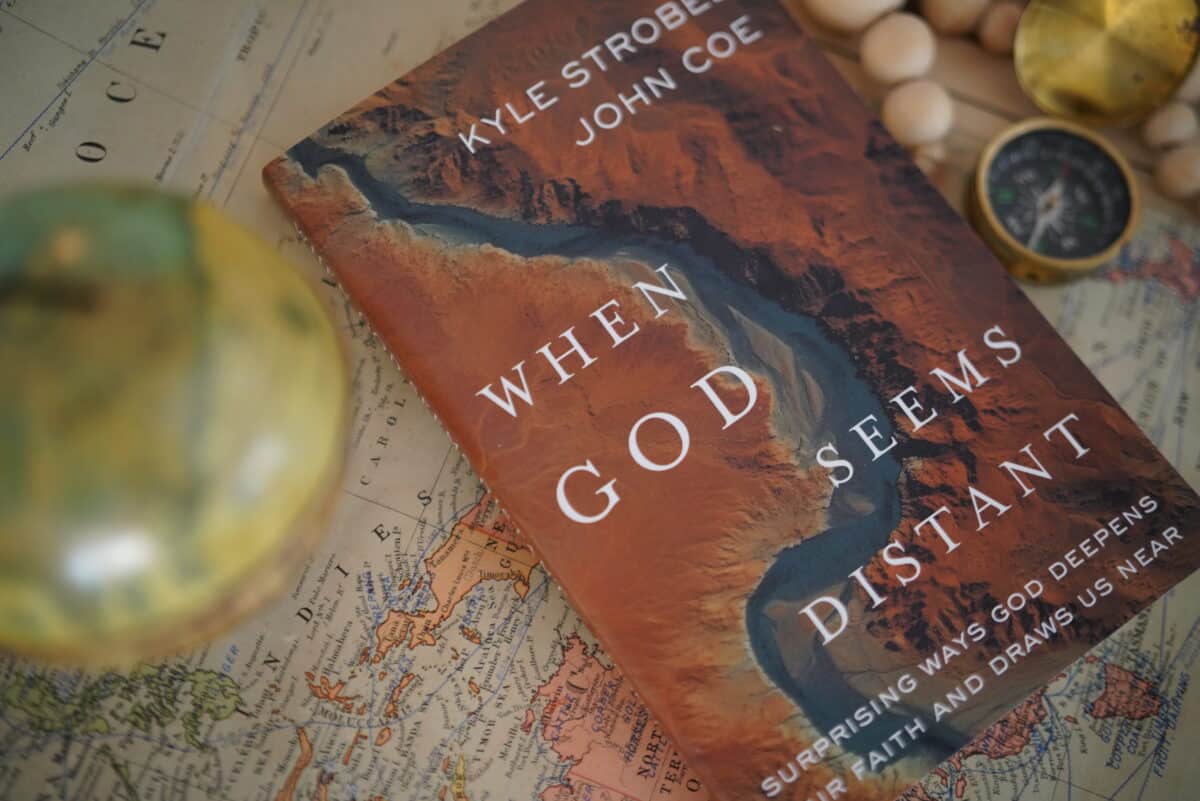
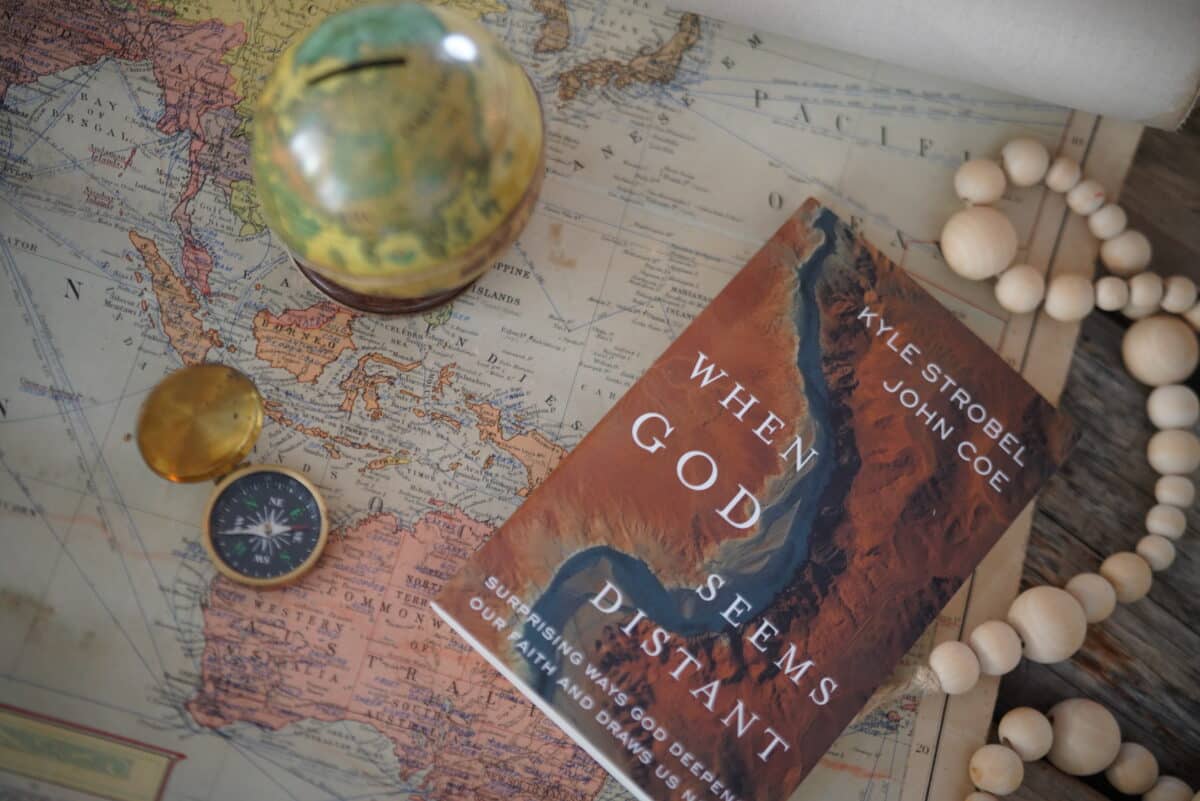
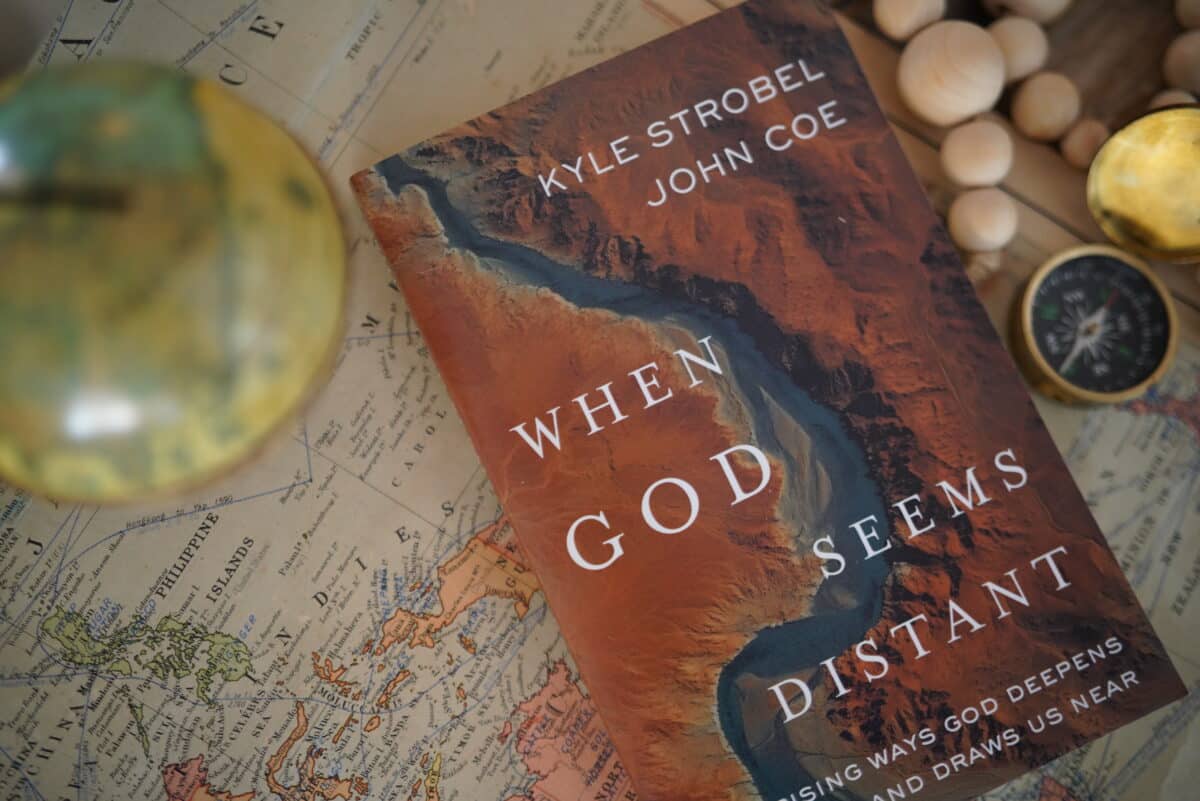
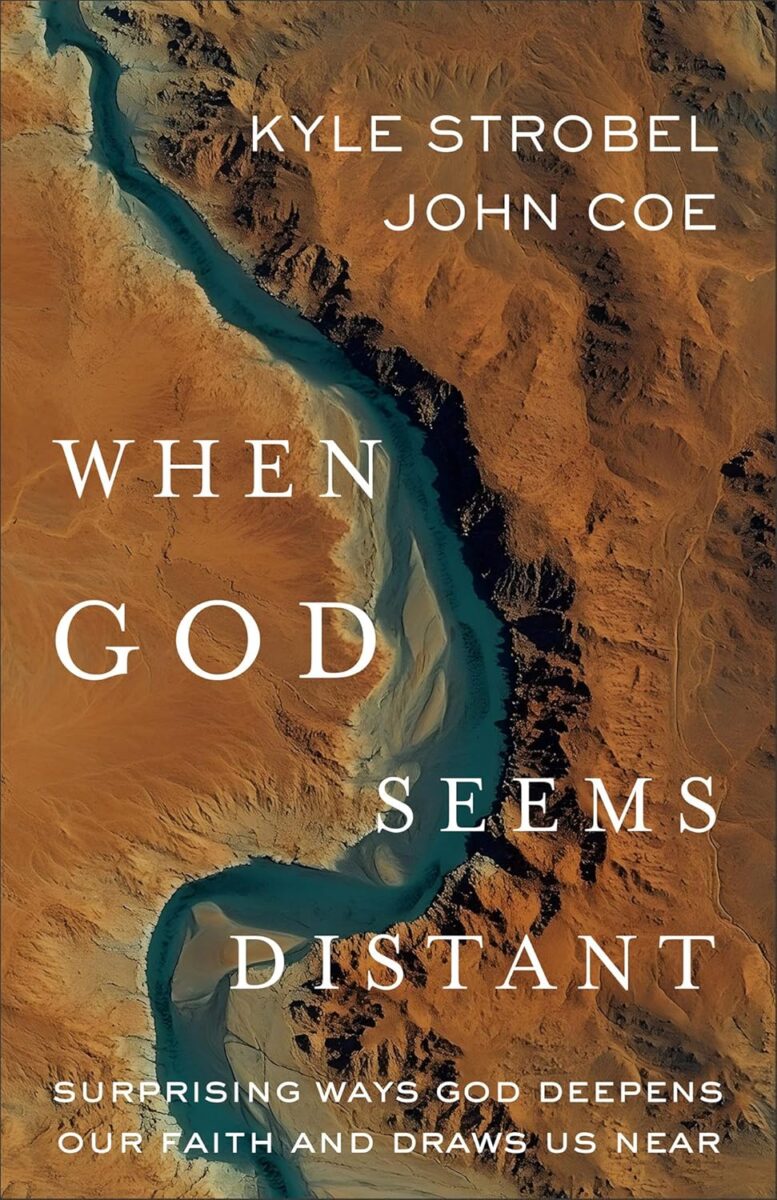
What If Times of Spiritual Dryness Are Actually Part of God’s Plan? In When God Seems Distant: Surprising Ways God Deepens Our Faith and Draws Us Near:
· Discover how to reframe times when God feels distant
· Go beyond willpower and habit modification to true spiritual growth
· Learn to live in, not just through, fallow times
If you have found yourself in the desert, desperately longing for the living waters Jesus promises, When God Seems Distant: Surprising Ways God Deepens Our Faith and Draws Us Near will assure you that God is not absent–and you may be on the cusp of experiencing a deeper faith.
This article was adapted from When God Seems Distant: Surprising Ways God Deepens Our Faith and Draws Us Near, co-authored by Kyle and John Coe. Kyle can be found at kylestrobel.substack.com.
{Our humble thanks to Baker Books for their partnership in today’s devotional.}